Hydrochloric Acid → HCID 178421693, compound
Reaction equation

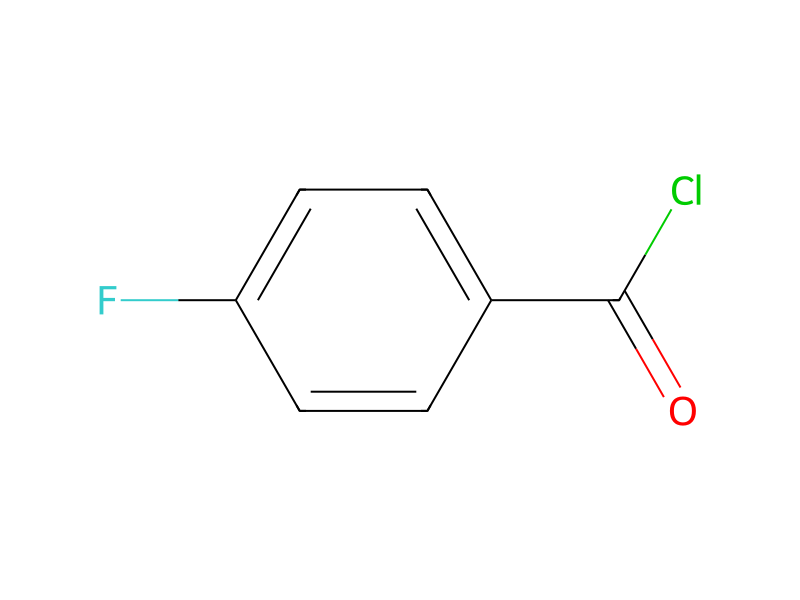
[Br:1][C:2]1[C:3]([CH3:10])=[C:4]([NH2:9])[C:5]([NH2:8])=[CH:6][CH:7]=1.[F:11][C:12]1[CH:20]=[CH:19][C:15]([C:16](Cl)=O)=[CH:14][CH:13]=1.Cl>C(Cl)Cl>[Br:1][C:2]1[CH:7]=[CH:6][C:5]2[N:8]=[C:16]([C:15]3[CH:19]=[CH:20][C:12]([F:11])=[CH:13][CH:14]=3)[NH:9][C:4]=2[C:3]=1[CH3:10]Participants
Reactant 3


Product 1

Reagents, catalysts & solvents 1

Procedure
A solution of 4-bromo-3-methylbenzene-1,2-diamine (prepared according to the procedure of PCT Pat. Appl. WO 2008/021851, 400 mg, 1.989 mmol) in DCM (10 mL) was treated with TEA (0.693 mL, 4.97 mmol), then was treated dropwise with 4-fluorobenzoyl chloride (0.282 mL, 2.387 mmol). The mixture was stirred at rt for 70 min, then was concentrated. The residue was suspended in ethanol (25 mL), treated with concentrated hydrochloric acid (3 mL, 36.5 mmol) and heated at 90-95° C. After 42.5 h, the mixture was cooled to rt and the ethanol was removed under vacuum. The residual paste was suspended in water and the pH was adjusted to ca. 8 with NaHCO3 (aq). The precipitate was collected by filtration, washed with water and dried under vacuum to provide 6-bromo-2-(4-fluorophenyl)-7-methyl-1H-benzo[d]imidazole as a pale pink solid (636 mg, 95%). 1H NMR (400 MHz, DMSO-d6) δ 8.24 (2H, dd, J=8.9, 5.4 Hz), 7.33-7.45 (4H, m), 2.57 (3H, s). Mass spectrum m/z 305, 307 (M+H)+.
Workup
- concentrationwas concentrated
- temperatureheated at 90-95° C
- waitAfter 42.5 h
- temperaturethe mixture was cooled to rt
- customthe ethanol was removed under vacuum
- filtrationThe precipitate was collected by filtration
- washwashed with water
- customdried under vacuum
Sources & evidence
- ORD record
- ord-2e76693b4bc14c1cab2e1200aa2f191b
- Source dataset
- uspto-grants-2013_01
- Patent number
- US08362065B2
Reaction notes
Loading…