1,4-Dioxane hydrochloride → HCID 136330178, compound
Reaction equation

C(OC([N:8]1[CH:17]([CH:18]([OH:36])[CH:19]([O:21][C:22](=[O:35])[CH:23]([NH:27]C(OC(C)(C)C)=O)[CH:24]([CH3:26])[CH3:25])[CH3:20])[CH2:16][NH:15][C:14]2[NH:13][C:12]([N:37]=CN(C)C)=[N:11][C:10](=[O:42])[C:9]1=2)=O)(C)(C)C.[ClH:43].O1CCOCC1>O1CCOCC1>[ClH:43].[ClH:43].[NH2:37][C:12]1[NH:11][C:10](=[O:42])[C:9]2[NH:8][CH:17]([CH:18]([OH:36])[CH:19]([O:21][C:22](=[O:35])[CH:23]([NH2:27])[CH:24]([CH3:25])[CH3:26])[CH3:20])[CH2:16][NH:15][C:14]=2[N:13]=1Participants
4
Reactant 2
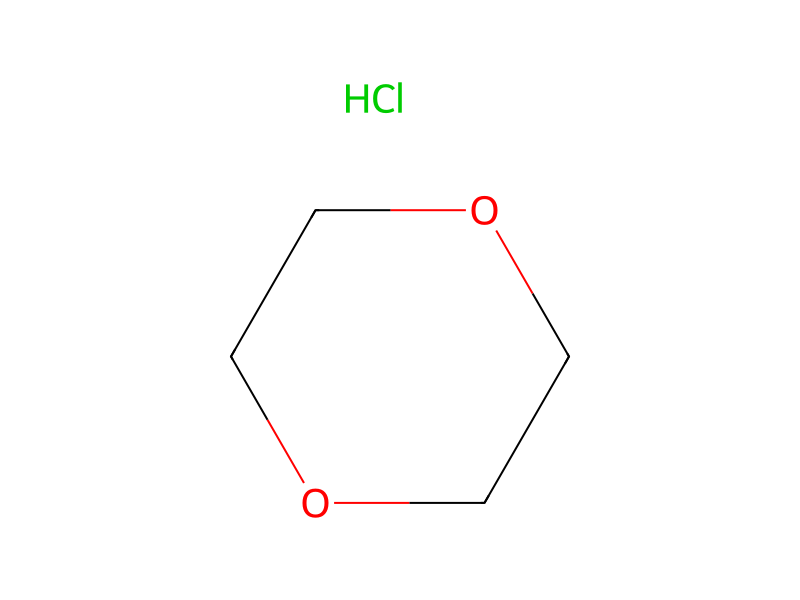

Product 1

Reagents, catalysts & solvents 1

Procedure
As an alternative to method e,) the product of step c (0.5 g, 0.8 mmol) was dissolved in dioxane (5 mL) and treated with 4N HCl/dioxane (20 mL, 80 mmol) under an atmosphere of argon. After stirring at room temperature for 15 hours, a white solid was formed. This material was isolated and then dried to give 0.24 g (73%) of the title compound.
Workup
- customa white solid was formed
- customThis material was isolated
- customdried
Sources & evidence
- ORD record
- ord-d86a273b4f8944bfac5d3d45c3a45d4b
- Source dataset
- uspto-grants-2009_10
- Patent number
- US07601717B2
Reaction notes
Loading…