2-Isocyanato-1-methoxy-4-methylbenzene → 3-(2-Methoxy-5-methyl-phenyl)-1-methyl-1-pyrazin-2-yl-urea
Reaction equation

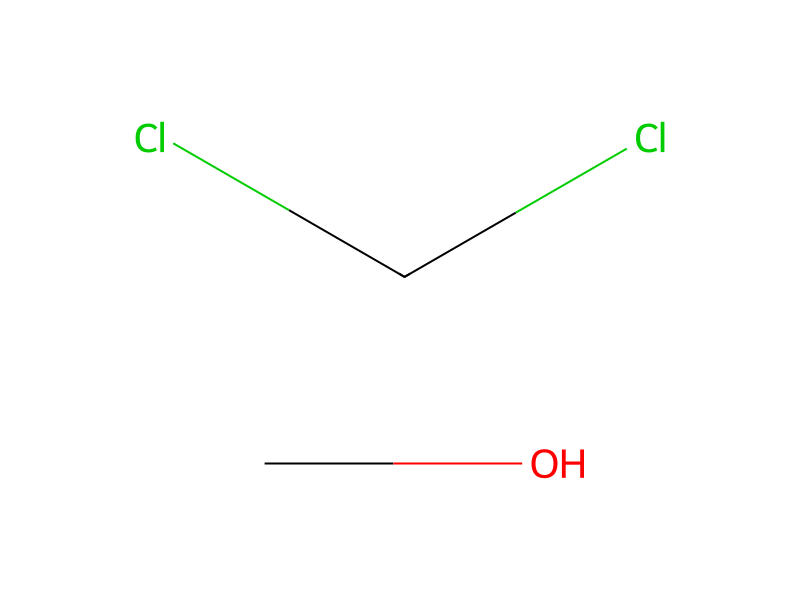
[CH3:1][NH:2][C:3]1[CH:8]=[N:7][CH:6]=[CH:5][N:4]=1.[CH3:9][O:10][C:11]1[CH:16]=[CH:15][C:14]([CH3:17])=[CH:13][C:12]=1[N:18]=[C:19]=[O:20].CCOC(C)=O.CCCCCC.C(Cl)Cl.CO>ClC(Cl)C>[CH3:9][O:10][C:11]1[CH:16]=[CH:15][C:14]([CH3:17])=[CH:13][C:12]=1[NH:18][C:19](=[O:20])[N:2]([CH3:1])[C:3]1[CH:8]=[N:7][CH:6]=[CH:5][N:4]=1Participants
6
Reactant 4



Product 1

Reagents, catalysts & solvents 1

Conditions
- Temperature
- 80 °C
Procedure
To a 0.3 M stirred solution of 2-methylaminopyrazine (1 equiv.) in dichloroethane at room temperature under nitrogen was added 2-methoxy-5-methylphenylisocyanate (1 equiv.). The reaction was warmed to 80° C. overnight and then cooled to room temperature. In most cases, the product precipitated and was isolated by filtration. Alternatively the product could be isolated by silica gel chromatography using EtOAc/hexane or CH2Cl2/MeOH as eluant. 1H-NMR (400 MHz, CDCl3) δ 8.57 (s, 1H), 8.32 (s, 1H), 8.31 (s, 1H), 8.17 (s, 1H), 6.80 (m, 2H), 3.90 (s, 3H), 3.56 (s, 3H), 2.32 (s, 3H). LRMS (ESI, Positive) m/e 273.2 (M+1).
Workup
- temperaturecooled to room temperature
- customIn most cases, the product precipitated
- customwas isolated by filtration
- customAlternatively the product could be isolated by silica gel chromatography
Sources & evidence
- ORD record
- ord-aa8f5d8d930d434f9aea99927fdcac57
- Source dataset
- uspto-grants-2009_10
- Patent number
- US07608618B2
Reaction notes
Loading…