3,4-Dichlorophenol → HCID 22047707, compound
Reaction equation

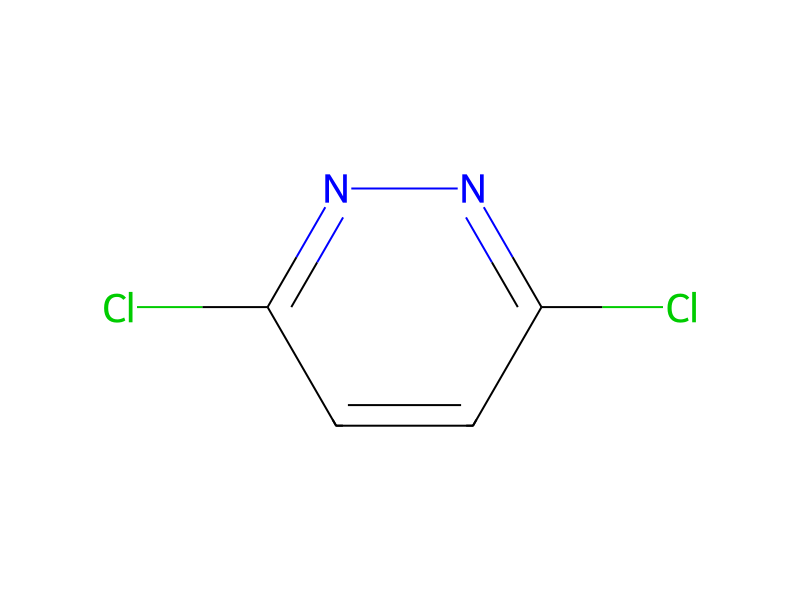
Cl[C:2]1[N:3]=[N:4][C:5]([Cl:8])=[CH:6][CH:7]=1.[Cl:9][C:10]1[CH:11]=[C:12]([OH:17])[CH:13]=[CH:14][C:15]=1[Cl:16].[OH-].[K+].CCCCCCC>CS(C)=O>[Cl:8][C:5]1[N:4]=[N:3][C:2]([O:17][C:12]2[CH:13]=[CH:14][C:15]([Cl:16])=[C:10]([Cl:9])[CH:11]=2)=[CH:7][CH:6]=1Participants
6
Reactant 4



Product 1

Reagents, catalysts & solvents 1

Procedure
A solution of 3,6-dichloropyridazine (4.47 g, 30.0 mmol), 3,4-dichlorophenol (4.89 g, 30.0 mmol) and potassium hydroxide (1.68 g, 30.0 mmol) in dimethyl sulfoxide (20 mL) was heated at 60° C. overnight. The solvent was removed by evaporation in vacuo. The residue was purified by flash column chromatography (SiO2, ethyl acetate:heptane 50:50). Small amounts of starting material were removed by kugelrohr distillation. Crystallisation from ethyl acetate:heptane yielded the title compound (1.74 g, 21% yield) as a white solid.
Workup
- customThe solvent was removed by evaporation in vacuo
- customThe residue was purified by flash column chromatography (SiO2, ethyl acetate:heptane 50:50)
- customSmall amounts of starting material were removed by kugelrohr distillation
- customCrystallisation from ethyl acetate
Sources & evidence
- ORD record
- ord-5cc6bd9cca22451db86da06e4934f075
- Source dataset
- uspto-grants-2006_06
- Patent number
- US07067517B2
Reaction notes
Loading…