Acetate → 19-Hydroxy-6beta-methyl-5alpha-androstane-3,17-dione acetate
Reaction equation

[OH:1][CH2:2][C@@:3]12[C@@H:20]3[C@H:11]([C@H:12]4[C@@:16]([CH2:18][CH2:19]3)([CH3:17])[C:15](=[O:21])[CH2:14][CH2:13]4)[CH2:10][C:9]([CH3:22])=[C:8]1[CH2:7][C:6](=[O:23])[CH2:5][CH2:4]2.[C:24]([O-:27])(=[O:26])[CH3:25]>CO.[Pd]>[C:24]([OH:27])(=[O:26])[CH3:25].[OH:1][CH2:2][C@@:3]12[C@@H:20]3[C@H:11]([C@H:12]4[C@@:16]([CH2:18][CH2:19]3)([CH3:17])[C:15](=[O:21])[CH2:14][CH2:13]4)[CH2:10][C@@H:9]([CH3:22])[C@H:8]1[CH2:7][C:6](=[O:23])[CH2:5][CH2:4]2Participants
5
Reactant 2
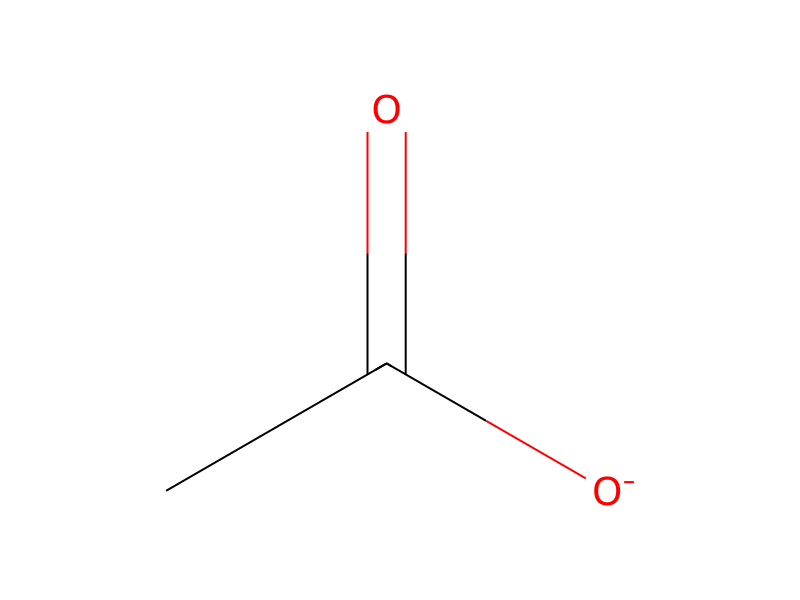

Product 1

Reagents, catalysts & solvents 2


Procedure
A solution of 19-hydroxy-6-methyl-5-androstene-3,17-dione bis ethylenektal acetate in methanol is hydrogenated with a 10% palladium-on-charcoal catalyst at atmospheric pressure for a period of about 8 hours. After filtration of the catalyst, additional methanol and aqueous hydrochloric acid are added to the filtrate and the solution is heated to its reflux temperature. After about 30 minutes, the solution is poured onto water, and the solid which separates is filtered and air dried. Crystallization of this solid from an ether-hexane solution yields 19-hydroxy-6β-methyl-5α-androstane-3,17-dione acetate.
Workup
- filtrationAfter filtration of the catalyst, additional methanol and aqueous hydrochloric acid
- additionare added to the filtrate
- temperaturethe solution is heated to its
- temperaturereflux temperature
- additionthe solution is poured onto water
- filtrationthe solid which separates is filtered
- customair dried
- customCrystallization of this solid from an ether-hexane solution
Sources & evidence
- ORD record
- ord-39287ad59a234a18a1bf024aa8f03058
- Source dataset
- uspto-grants-1978_01
- Patent number
- US04071625
Reaction notes
Loading…