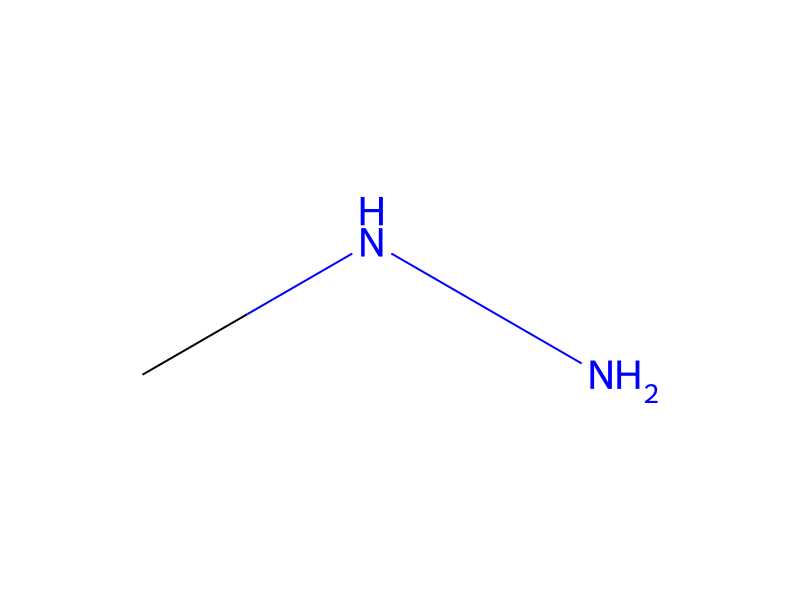
Methylhydrazine → HCID 9950126, compound
Reaction equation

[CH3:1][CH:2]([CH3:27])[CH2:3][C:4]([C:6]1[C:7]([C:22](OCC)=[O:23])=[N:8][N:9]([CH2:11][C:12]2[C:21]3[C:16](=[CH:17][CH:18]=[CH:19][CH:20]=3)[CH:15]=[CH:14][CH:13]=2)[CH:10]=1)=O.[CH3:28][NH:29][NH2:30]>C(O)C.O>[CH3:28][N:29]1[C:22](=[O:23])[C:7]2=[N:8][N:9]([CH2:11][C:12]3[C:21]4[C:16](=[CH:17][CH:18]=[CH:19][CH:20]=4)[CH:15]=[CH:14][CH:13]=3)[CH:10]=[C:6]2[C:4]([CH2:3][CH:2]([CH3:27])[CH3:1])=[N:30]1Participants
5
Reactant 2

Product 1

Reagents, catalysts & solvents 2


Procedure
A mixture of ethyl 4-(3-methyl-1-oxobutyl)-1-(1-naphthalenylmethyl)-1H-pyrazole-3-carboxylate (0.15 g) and methylhydrazine (0.1 ml) in ethanol (2 ml) was heated at reflux for 18 hours. The reaction was diluted with water and then extracted into ethyl acetate. The organic phase was washed with brine, dried, filtered and evaporated. The residue was chromatographed, eluting with dichloromethane:ethanol (19:1), to give the title compound (0.08 g).
Workup
- temperaturewas heated
- temperatureat reflux for 18 hours
- extractionextracted into ethyl acetate
- washThe organic phase was washed with brine
- customdried
- filtrationfiltered
- customevaporated
- customThe residue was chromatographed
- washeluting with dichloromethane:ethanol (19:1)
Sources & evidence
- ORD record
- ord-bfd5d9a3355f4f208be1ef36dfc61801
- Source dataset
- uspto-grants-2004_08
- Patent number
- US06770646B2
Reaction notes
Loading…