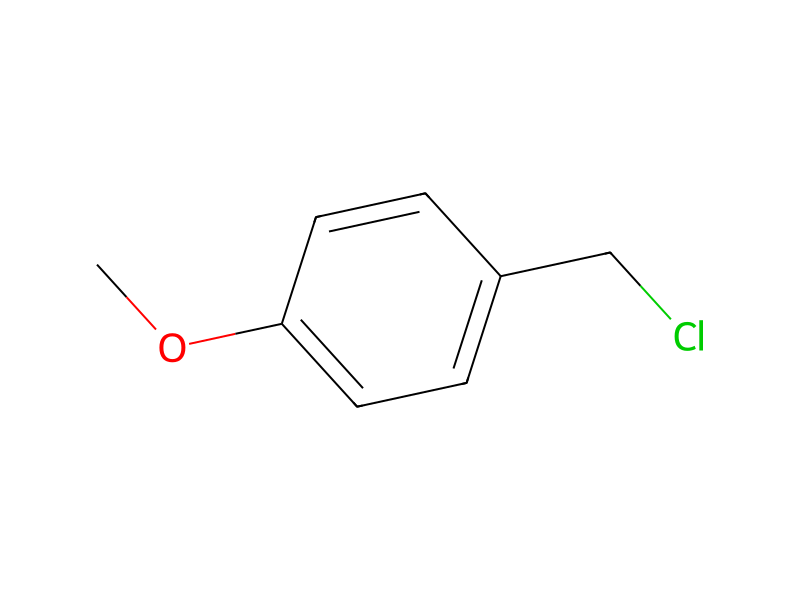
4-Methyloxybenzyl chloride → n-(3-Cyanobenzoyl)-2-[(4-methoxybenzyl)oxy]aniline
Reaction equation

[CH3:1][O:2][C:3]1[CH:10]=[CH:9][C:6]([CH2:7]Cl)=[CH:5][CH:4]=1.[C:11]([C:13]1[CH:14]=[C:15]([CH:26]=[CH:27][CH:28]=1)[C:16]([NH:18][C:19]1[CH:24]=[CH:23][CH:22]=[CH:21][C:20]=1[OH:25])=[O:17])#[N:12].C([O-])([O-])=O.[K+].[K+].CN(C=O)C>>[C:11]([C:13]1[CH:14]=[C:15]([CH:26]=[CH:27][CH:28]=1)[C:16]([NH:18][C:19]1[CH:24]=[CH:23][CH:22]=[CH:21][C:20]=1[O:25][CH2:7][C:6]1[CH:9]=[CH:10][C:3]([O:2][CH3:1])=[CH:4][CH:5]=1)=[O:17])#[N:12]Participants
4


Procedure
Using a procedure similar to Example 32A except starting from 4-methoxybenzyl chloride and N1-(3-cyanobenzoyl)-2-hydroxyaniline and using K2CO3/DMF in place of potassium t-butoxide/THF, the title compound was obtained as a solid (27%); MS(FD): 359.
Sources & evidence
- ORD record
- ord-8870df3151d84e8b8408a97b59c96fef
- Source dataset
- uspto-grants-2004_01
- Patent number
- US06677369B2
Reaction notes
Loading…