Dimethyl Carbonate → HCID 86199295, compound
Reaction equation

[CH3:1][N+:2]([CH3:12])([CH3:11])[CH2:3][CH2:4][CH2:5][CH2:6][CH2:7][CH2:8][CH2:9][CH3:10].CN(C)CCCCCCCC.[C:24](=[O:29])([O:27]C)[O:25]C>CO>[C:24](=[O:25])([O-:29])[O-:27].[CH3:1][N+:2]([CH3:11])([CH3:12])[CH2:3][CH2:4][CH2:5][CH2:6][CH2:7][CH2:8][CH2:9][CH3:10].[CH3:12][N+:2]([CH2:3][CH2:4][CH2:5][CH2:6][CH2:7][CH2:8][CH2:9][CH3:10])([CH3:11])[CH3:1]Participants
Reactant 3
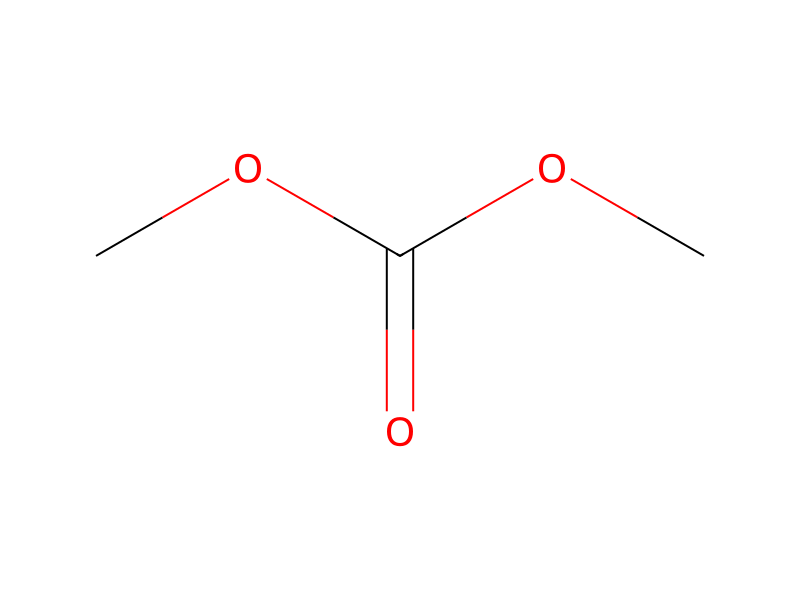


Product 1

Reagents, catalysts & solvents 1

Procedure
Among these preparation methods, preferred are those by anion exchange with a quaternary ammonium carbonate. A specific example for preparation of a quaternary ammonium salts of a carboxyl-containing polymer, in the case of a trimethyloctylammonium salt of polyacrylic acid, is as follows: Into a pressure vessel, are charged dimethyloctylamine (1 mole) and dimethyl carbonate (1 mole or more) together with methanol, and reacted at an elevated temperature (at about 120° C.) under pressure (about 5 kg/cm2) to obtain a solution in methanol of trimethyloctylammonium carbonate. Then, the solution is added at a temperature of 80-90° C. gradually to an aqueous solution of polyacrylic acid, whereby carbon dioxide is simultaneously generated vigorously. Generated carbon dioxide and methanol are distilled off to obtain an aqueous solution of trimethyl-octylammonium salt of polyacrylic acid.
Workup
- customAmong these preparation methods
- additioncontaining polymer
- customreacted at an elevated temperature (at about 120° C.) under pressure (about 5 kg/cm2)
Sources & evidence
- ORD record
- ord-d79b016189fc4f8eba5a6414c9d2c314
- Source dataset
- uspto-grants-2004_01
- Patent number
- US06680286B1
Reaction notes
Loading…