Pyridine → Phenyl 3-fluoro-4-(1-hydroxycyclopropyl)phenylcarbamate
Reaction equation

[NH2:1][C:2]1[CH:7]=[CH:6][C:5]([C:8]2([OH:11])[CH2:10][CH2:9]2)=[C:4]([F:12])[CH:3]=1.N1C=CC=CC=1.Cl[C:20]([O:22][C:23]1[CH:28]=[CH:27][CH:26]=[CH:25][CH:24]=1)=[O:21]>CC(C)=O>[F:12][C:4]1[CH:3]=[C:2]([NH:1][C:20](=[O:21])[O:22][C:23]2[CH:28]=[CH:27][CH:26]=[CH:25][CH:24]=2)[CH:7]=[CH:6][C:5]=1[C:8]1([OH:11])[CH2:9][CH2:10]1Participants
5
Reactant 3

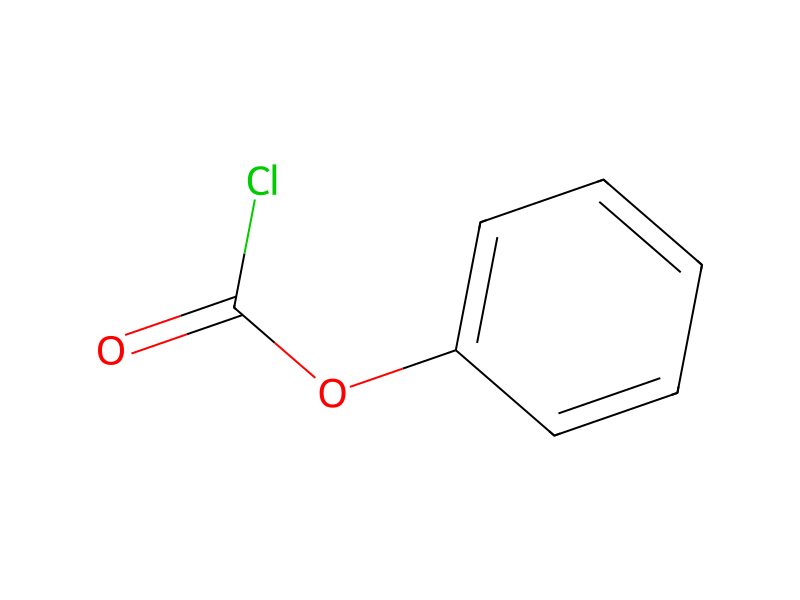

Product 1

Reagents, catalysts & solvents 1

Procedure
To a stirred solution of 1-(4-amino-2-fluorophenyl)cyclopropanol (0.7 mg, 4.19 mmol, 1.0 eq) in acetone (10 mL) was added pyridine (0.33 mL, 4.19 mmol, 1.0 eq) and phenyl chloroformate (0.5 mL, 4.19 mmol, 1.0 eq) and stirred at 0° C. to RT for 1 h. The solvent was evaporated, the residue diluted with water (10 mL×2), extracted with EtOAc (25 mL), brine (10 mL) and dried over Na2SO4 and evaporated under vacuum; the resulting residue was purified by CC using EtOAc/PE (1:4 as eluent to get phenyl 3-fluoro-4-(1-hydroxycyclopropyl)phenylcarbamate (0.9 g, 75%, off white solid; TLC system: EtOAc/PE (1:1), Rf: 0.6).
Workup
- customThe solvent was evaporated
- additionthe residue diluted with water (10 mL×2)
- extractionextracted with EtOAc (25 mL), brine (10 mL)
- dry with materialdried over Na2SO4
- customevaporated under vacuum
- customthe resulting residue was purified by CC
Sources & evidence
- ORD record
- ord-05b7b2c25df940ce8f87de4804a31548
- Source dataset
- uspto-grants-2015_02
- Patent number
- US08946204B2
Reaction notes
Loading…