Pyridine → Phenyl 4-(3-hydroxyoxetan-3-yl)phenylcarbamate
Reaction equation

[NH2:1][C:2]1[CH:7]=[CH:6][C:5]([C:8]2([OH:12])[CH2:11][O:10][CH2:9]2)=[CH:4][CH:3]=1.N1C=CC=CC=1.Cl[C:20]([O:22][C:23]1[CH:28]=[CH:27][CH:26]=[CH:25][CH:24]=1)=[O:21]>CC(C)=O>[OH:12][C:8]1([C:5]2[CH:4]=[CH:3][C:2]([NH:1][C:20](=[O:21])[O:22][C:23]3[CH:28]=[CH:27][CH:26]=[CH:25][CH:24]=3)=[CH:7][CH:6]=2)[CH2:9][O:10][CH2:11]1Participants
5
Reactant 3

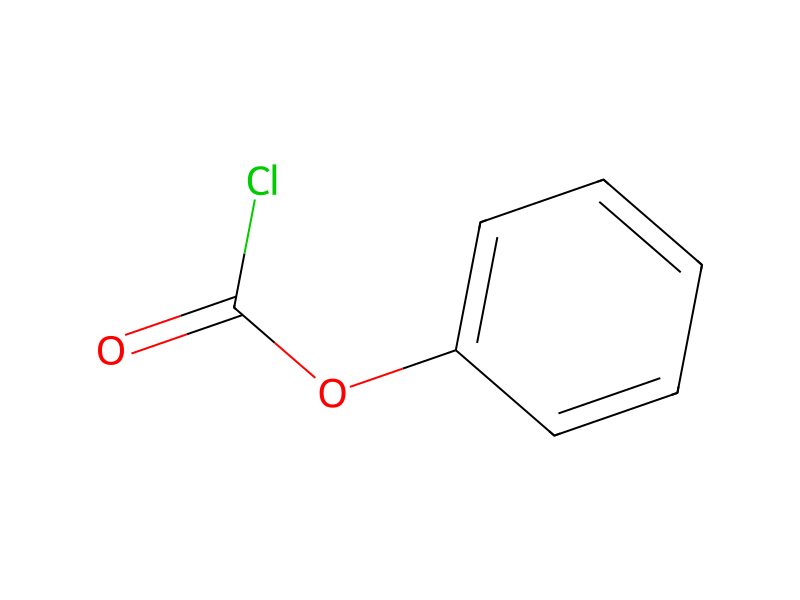

Product 1

Reagents, catalysts & solvents 1

Conditions
- Temperature
- 0 °C
Procedure
To a stirred solution of 3-(4-aminophenyl)oxetan-3-ol (1.19 g, 6.66 mmol, 1.0 eq) in acetone (20 mL) was added pyridine (1.05 g, 13.29 mmol, 2.0 eq) and phenyl chloroformate (1.05 g, 6.68 mmol, 1.1 eq) at 0° C. and the mixture was stirred at 0° C. for 30 min. The solvent was evaporated. The resulting residue was purified by CC using EtOAc/PE (3:7) as eluent to get phenyl 4-(3-hydroxyoxetan-3-yl)phenylcarbamate (1.2 g, 63%) as a white solid (TLC system: EtOAc/PE (7:3), Rf: 0.7).
Workup
- customThe solvent was evaporated
- customThe resulting residue was purified by CC
Sources & evidence
- ORD record
- ord-34ffeddf1cb94e9fa9c6b5f5f1793a56
- Source dataset
- uspto-grants-2015_02
- Patent number
- US08946204B2
Reaction notes
Loading…