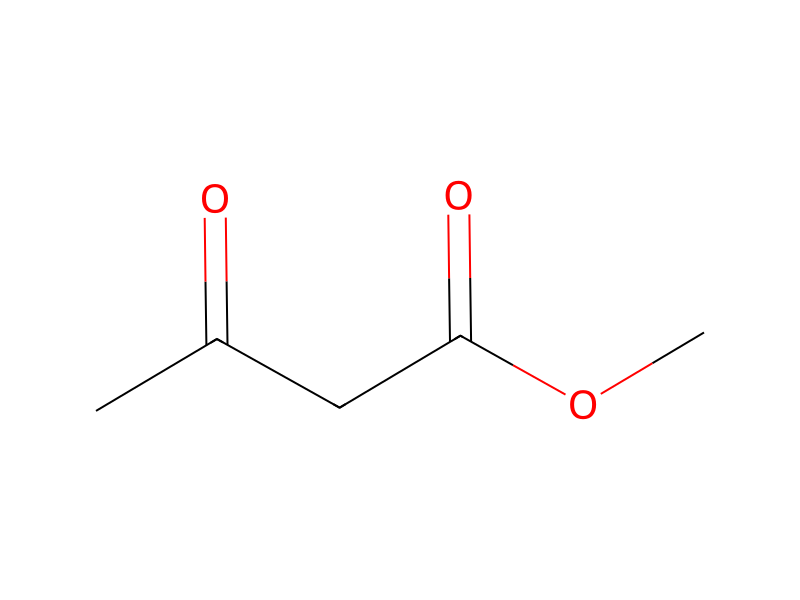
Methyl acetoacetate → 90-31-3
Reaction equation

Cl.[Cl:2][C:3]1[CH:4]=[C:5]([NH:9][NH2:10])[CH:6]=[CH:7][CH:8]=1.[C:11](OC)(=[O:16])[CH2:12][C:13]([CH3:15])=O>C(O)(=O)C>[Cl:2][C:3]1[CH:4]=[C:5]([N:9]2[C:11](=[O:16])[CH:12]=[C:13]([CH3:15])[NH:10]2)[CH:6]=[CH:7][CH:8]=1Participants
4
Reactant 2

Product 1

Reagents, catalysts & solvents 1

Conditions
- Temperature
- 60 °C
Procedure
To a solution of 3-chlorophenylhydrazine hydrochloride (CAS No. 2312-23-4) (14.2 g) in acetic acid (60 mL) was added methyl acetoacetate (10.70 mL). The reaction was allowed to stir overnight at 60° C. and the volatiles were removed under reduced pressure and partitioned between saturated sodium bicarbonate and EtOAc. The organic layer was separated and concentrated under reduced pressure and purified by silica gel column chromatography using a gradient of 0-75% EtOAc in heptanes. The resulting solid was triturated with heptanes to give the title compound (10.3 g) having the following physical data as a white solid.
Workup
- customthe volatiles were removed under reduced pressure
- custompartitioned between saturated sodium bicarbonate and EtOAc
- customThe organic layer was separated
- concentrationconcentrated under reduced pressure
- custompurified by silica gel column chromatography
- customThe resulting solid was triturated with heptanes
Sources & evidence
- ORD record
- ord-1af4904e0b034718a403cb440daeb3e6
- Source dataset
- uspto-grants-2015_02
- Patent number
- US08962623B2
Reaction notes
Loading…