Salicyl Alcohol → 5-Bromo-2-hydroxybenzyl alcohol
Reaction equation

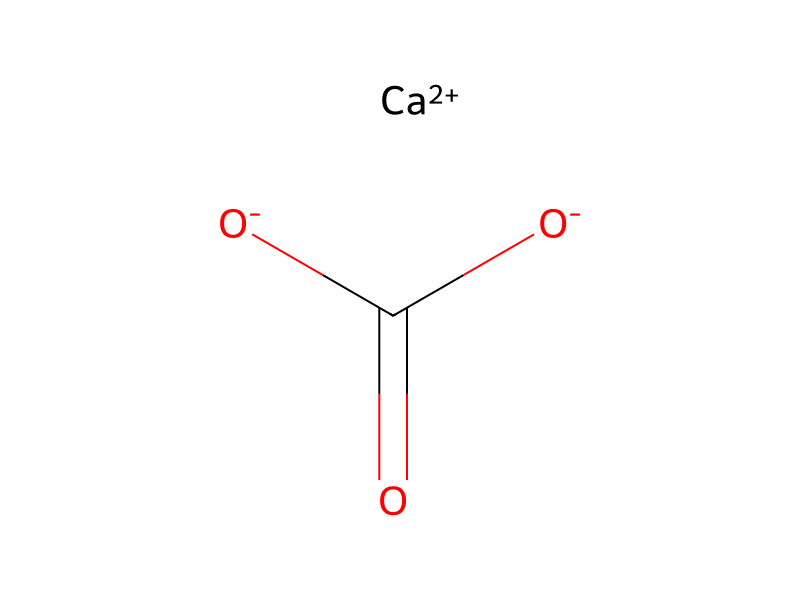
[Br:1]Br.C(Cl)(Cl)(Cl)Cl.[OH:8][CH2:9][C:10]1[C:15]([OH:16])=[CH:14][CH:13]=[CH:12][CH:11]=1.C(=O)([O-])[O-].[Ca+2]>C(Cl)Cl>[Br:1][C:12]1[CH:13]=[CH:14][C:15]([OH:16])=[C:10]([CH:11]=1)[CH2:9][OH:8]Participants
6
Reactant 4



Product 1

Reagents, catalysts & solvents 1

Procedure
At 0°-5° C., 11.5 ml. of bromine in 100 ml. of carbon tetrachloride was added dropwise to a suspension of 24.8 g. of saligenin and 24 g. of calcium carbonate in a solvent mixture of 200 ml. of carbon tetrachloride and 220 ml. of methylene chloride. The reaction mixture was stirred for 24 hours at room temperature, then filtered, and the precipitate was washed with carbon tetrachloride. The CCl4 /CH2Cl2 phase was discarded. The solid substance was taken up in ethyl acetate/water, and the organic phase was separated, dried over magnesium sulfate, and evaporated to dryness. The residue was recrystallized from methylene chloride, thus obtaining colorless crystal flakes (24 g.). Melting point: 107°-109° C. (methylene chloride).
Workup
- customAt 0°-5° C.
- filtrationfiltered
- washthe precipitate was washed with carbon tetrachloride
- customthe organic phase was separated
- dry with materialdried over magnesium sulfate
- customevaporated to dryness
- customThe residue was recrystallized from methylene chloride
- customthus obtaining colorless crystal flakes (24 g.)
Sources & evidence
- ORD record
- ord-27c91e5160084866b02e05c434566626
- Source dataset
- uspto-grants-1980_08
- Patent number
- US04217360
Reaction notes
Loading…