2-Hydroxyethyl acrylate → Urethane acrylate
Reaction equation

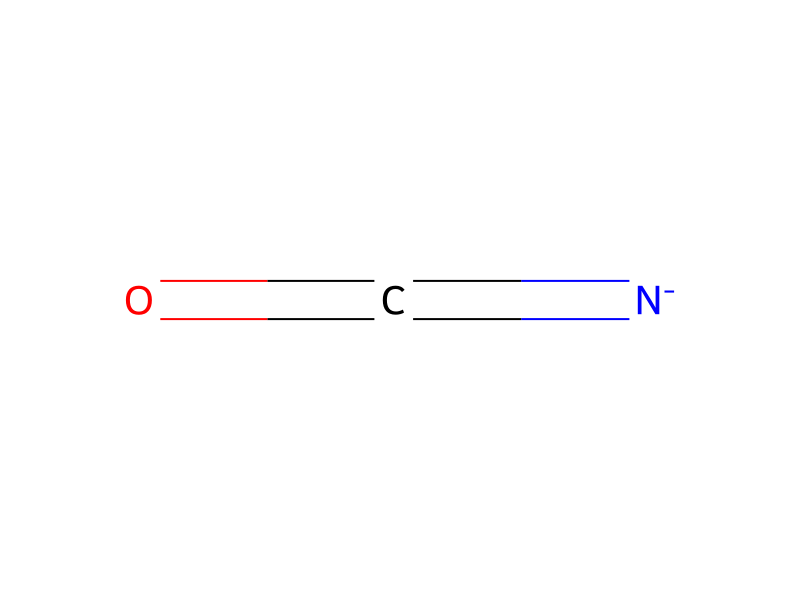
[C:1]([O:5][CH2:6][CH2:7]O)(=[O:4])[CH:2]=[CH2:3].[N-:9]=C=O>>[C:1]([OH:5])(=[O:4])[CH:2]=[CH2:3].[NH2:9][C:1]([O:5][CH2:6][CH3:7])=[O:4]Participants
3


Procedure
A round bottomed flask was charged with one equivalent of the ethylenically unsaturated polyisocyanate from Example 1 and 0.01%, based on the weight of the final product, of dibutyltin dilaurate. The flask was equipped with an overhead stirrer, nitrogen inlet, thermocouple, temperature controller, heating mantle and condenser. One equivalent of hydroxyethyl acrylate was then incrementally added to the stirred flask under a nitrogen blanket such that the temperature did not exceed 60° C. After the addition was complete the temperature was maintained at 60° C. for two hours until the isocyanate content was less than 0.5% by weight as determined by titration. A urethane acrylate was obtained having the following properties:
Workup
- customThe flask was equipped with an overhead stirrer, nitrogen inlet
- temperaturethermocouple, temperature controller, heating mantle and condenser
- customdid not exceed 60° C
- additionAfter the addition
Sources & evidence
- ORD record
- ord-adaf398f1fb24ebfa20a4f0ea3bcadb3
- Source dataset
- uspto-grants-2000_11
- Patent number
- US06150476
Reaction notes
Loading…