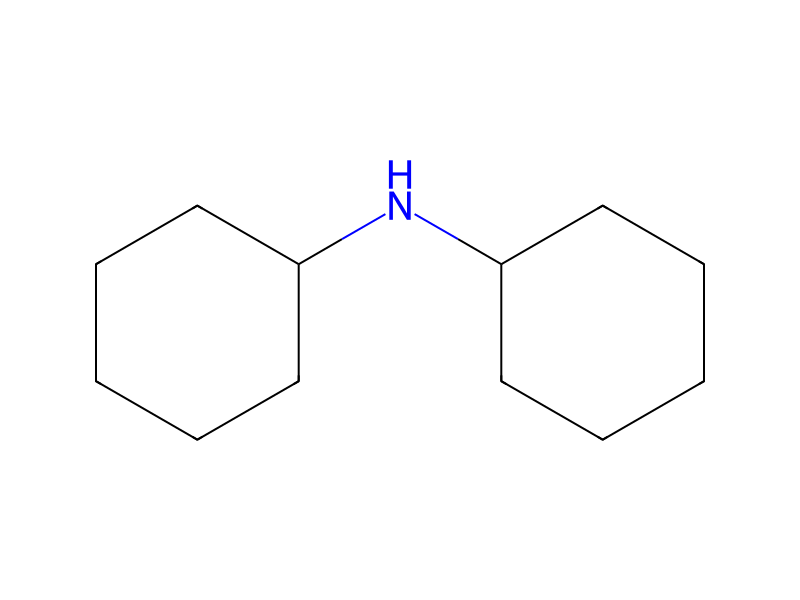
Dicyclohexylamine → HCID 18625830, compound
Reaction equation

[CH:1]([C:4]1[CH:17]=[CH:16][C:7]([O:8][CH:9]([CH3:15])[C:10]([O:12][CH2:13][CH3:14])=[O:11])=[CH:6][CH:5]=1)([CH3:3])[CH3:2].[CH2:18]([O:25][C:26]1[CH:33]=[CH:32][C:29]([CH2:30]Cl)=[CH:28][CH:27]=1)[C:19]1[CH:24]=[CH:23][CH:22]=[CH:21][CH:20]=1.C1(NC2CCCCC2)CCCCC1>>[CH2:18]([O:25][C:26]1[CH:33]=[CH:32][C:29]([CH2:30][C:9]([O:8][C:7]2[CH:16]=[CH:17][C:4]([CH:1]([CH3:2])[CH3:3])=[CH:5][CH:6]=2)([CH3:15])[C:10]([O:12][CH2:13][CH3:14])=[O:11])=[CH:28][CH:27]=1)[C:19]1[CH:24]=[CH:23][CH:22]=[CH:21][CH:20]=1Participants
4


Procedure
In a similar manner to that described in Reference example 7(c), a reaction was carried out using ethyl 2-(4-isopropylphenoxy)propionate (4.72 g) and 4-benzyloxybenzyl chloride (6.00 g) and dicyclohexylamine (3.62 g) instead of diisopropylamine and the reaction mixture was treated to afford the desired compound (6.16 g) as a syrup.
Workup
- additionthe reaction mixture was treated
Sources & evidence
- ORD record
- ord-b3837b32e96c4f9486f7ea4a285d9f1c
- Source dataset
- uspto-grants-2003_03
- Patent number
- US06528525B1
Reaction notes
Loading…