2-Bromo-5-nitropyridine → HCID 18625779, compound
Reaction equation

[CH3:1][O:2][C:3]([C:5]1[CH:10]=[CH:9][C:8](B(O)O)=[CH:7][CH:6]=1)=[O:4].Br[C:15]1[CH:20]=[CH:19][C:18]([N+:21]([O-:23])=[O:22])=[CH:17][N:16]=1>C1C=CC([P]([Pd]([P](C2C=CC=CC=2)(C2C=CC=CC=2)C2C=CC=CC=2)([P](C2C=CC=CC=2)(C2C=CC=CC=2)C2C=CC=CC=2)[P](C2C=CC=CC=2)(C2C=CC=CC=2)C2C=CC=CC=2)(C2C=CC=CC=2)C2C=CC=CC=2)=CC=1>[N+:21]([C:18]1[CH:17]=[N:16][C:15]([C:6]2[CH:7]=[CH:8][CH:9]=[CH:10][C:5]=2[C:3]([O:2][CH3:1])=[O:4])=[CH:20][CH:19]=1)([O-:23])=[O:22]Participants
4
Reactant 2
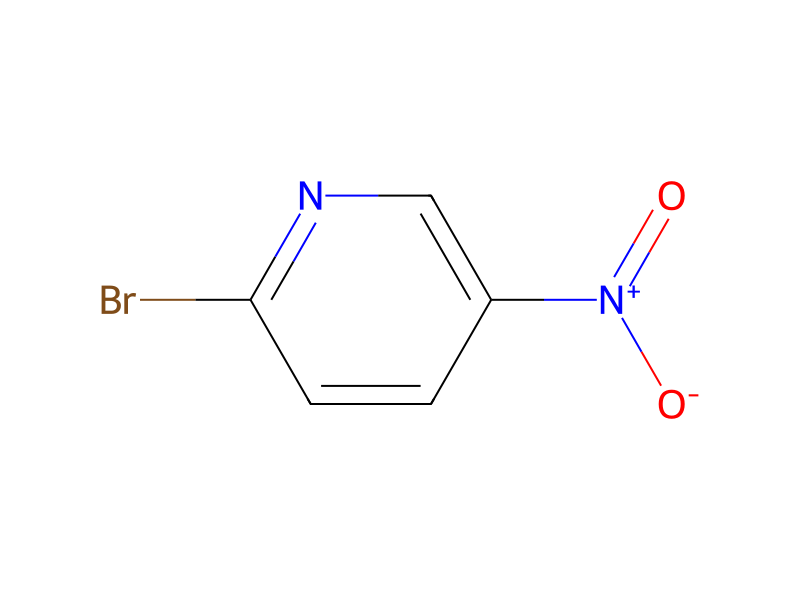

Product 1

Reagents, catalysts & solvents 1

Procedure
In a similar manner to that described in Reference example 14(a), a reaction was carried out using 4-methoxycarbonylphenyl boronic acid (3.24 g), 2-bromo-5-nitropyridine (4.75 g) and tetrakis(triphenylphosphine)palladium (1.04 g) and treated to afford the desired compound (3.67 g) as colorless crystals.
Workup
- additiontreated
Sources & evidence
- ORD record
- ord-23445b86fceb46689aa9b85c0e4c2df8
- Source dataset
- uspto-grants-2003_03
- Patent number
- US06528525B1
Reaction notes
Loading…