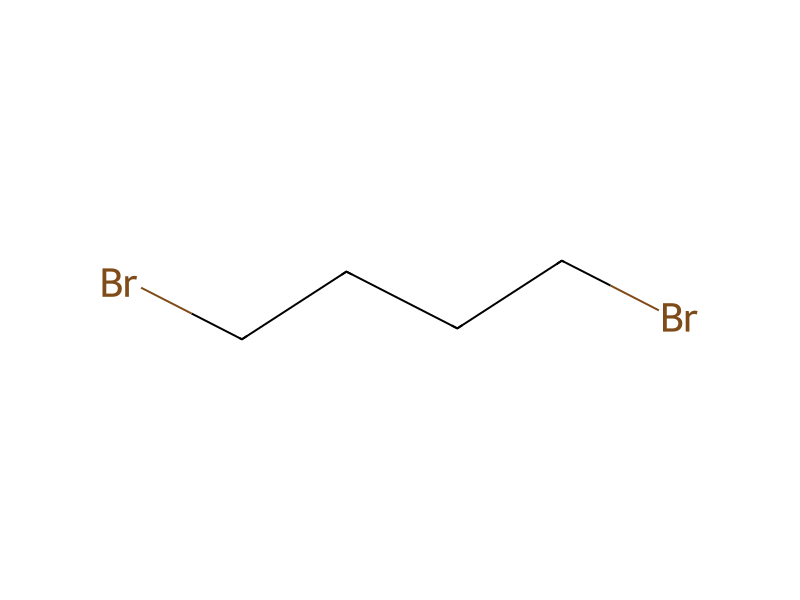
1,4-Dibromobutane → HCID 18622023, compound
Reaction equation

C([O:5][C:6](=[O:17])[CH2:7][C:8]1[CH:13]=[CH:12][CH:11]=[C:10]([N+:14]([O-:16])=[O:15])[CH:9]=1)(C)(C)C.Br[CH2:19][CH2:20][CH2:21][CH2:22]Br>>[N+:14]([C:10]1[CH:9]=[C:8]([C:7]2([C:6]([OH:5])=[O:17])[CH2:22][CH2:21][CH2:20][CH2:19]2)[CH:13]=[CH:12][CH:11]=1)([O-:16])=[O:15]Participants
3


Procedure
Using 3-nitrophenylacetic acid t-butyl ester as a starting material and also using 1,4-dibromobutane (1 eq.) as a reagent, the same procedures of Examples 1a and 1b gave 1-(3-nitrophenyl)cyclopentanecarboxylic acid.
Sources & evidence
- ORD record
- ord-93c98d2b8f7d466f9cd6241879f8d3b1
- Source dataset
- uspto-grants-2003_03
- Patent number
- US06534546B1
Reaction notes
Loading…