Water → HCID 131711628, compound
Reaction equation

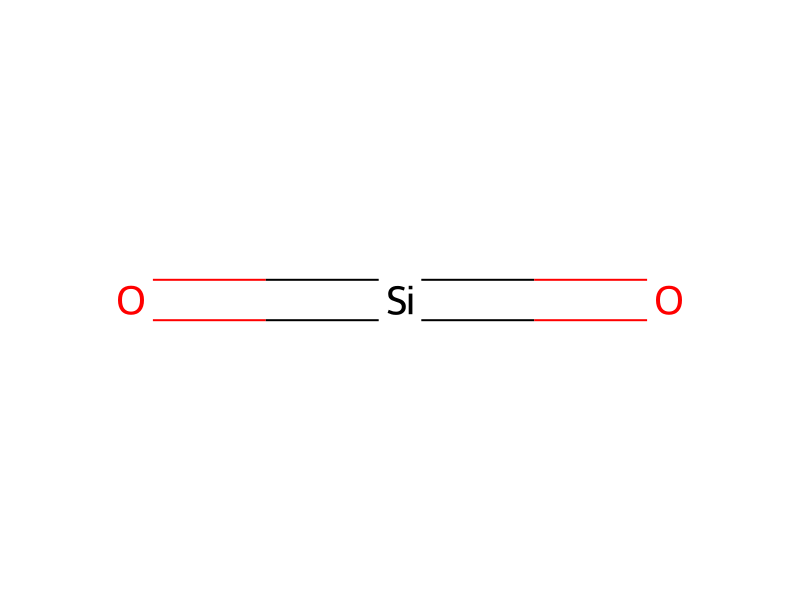
[Si:1](=[O:3])=[O:2].[OH2:4].[NH3:5].[OH2:6]>>[Si:1]([O-:6])([O-:4])([O-:3])[O-:2].[NH4+:5].[NH4+:5].[NH4+:5].[NH4+:5]Participants
4



Procedure
Silicon dioxide commercially obtained in the form of fine powder or gelatine can not successfully polymerize the black liquor when the silicon dioxide diluted with water is added to the liquor and heated and dehydrated to react. However, if silicon dioxide and the black liquor is heated to a high temperature in an autoclave to form the silicate, the condensation polymerization can be accomplished. Further, the condensation polymerization is also carried out successfully with the combined use of gelatinous silicon dioxide and ammonia water. It is presumed in the process of heating and dehydration that ammonium silicate is first formed and then it is decomposed into silicic acid.
Workup
- additionis added to the liquor
- temperatureheated
- customto react
- customto form the silicate
- customthe condensation polymerization
- customFurther, the condensation polymerization
- temperatureof heating
Sources & evidence
- ORD record
- ord-8d9ab77babeb479581592cb567aed897
- Source dataset
- uspto-grants-1979_09
- Patent number
- US04168252
Reaction notes
Loading…