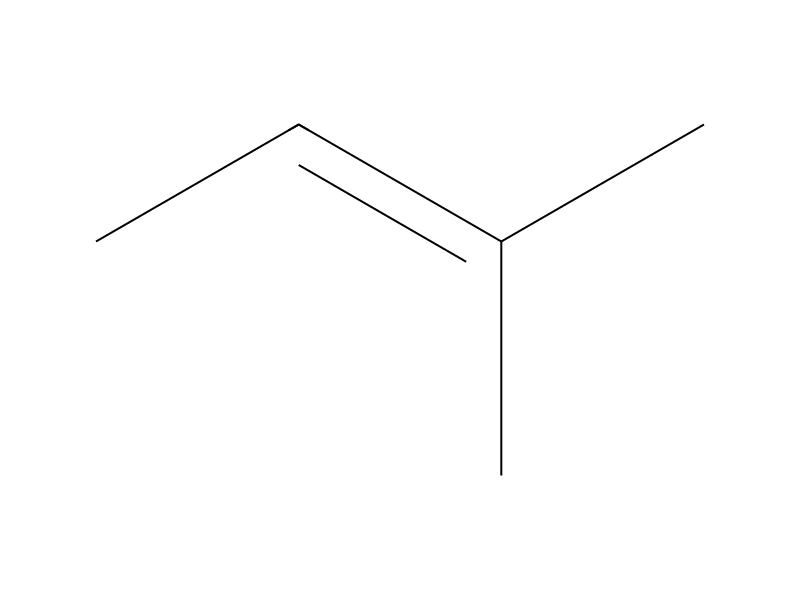
2-Methyl-2-butene → 6-chloro-1H-indole-2,3-dicarboxylic acid 2-ethyl ester
Reaction equation

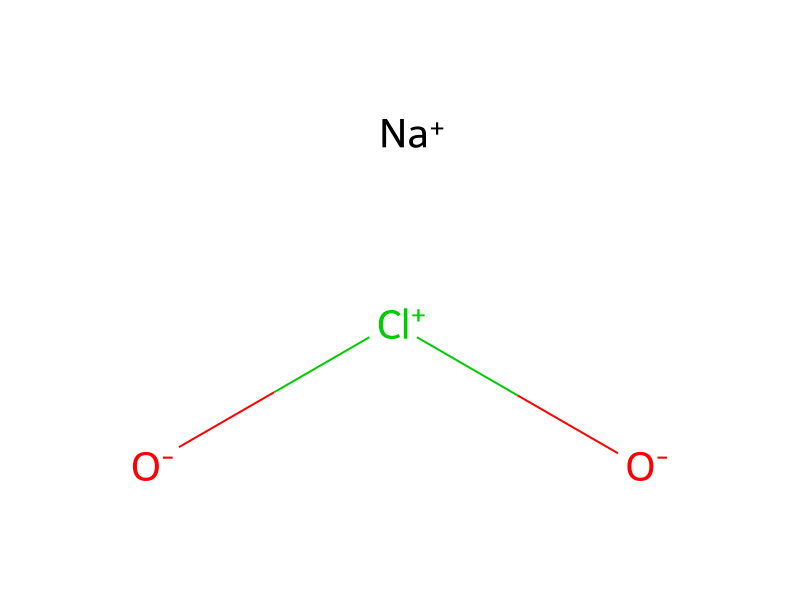
[CH2:1]([O:3][C:4]([C:6]1[NH:7][C:8]2[C:13]([C:14]=1[CH:15]=[O:16])=[CH:12][CH:11]=[C:10]([Cl:17])[CH:9]=2)=[O:5])[CH3:2].CC(=CC)C.[O-:23]Cl=O.[Na+]>CC(O)(C)C>[CH3:2][CH2:1][O:3][C:4]([C:6]1[NH:7][C:8]2[C:13]([C:14]=1[C:15]([OH:23])=[O:16])=[CH:12][CH:11]=[C:10]([Cl:17])[CH:9]=2)=[O:5]Participants
5



Procedure
To a solution of commercially available 6-chloro-3-formyl-1H-indole-2-carboxylic acid ethyl ester in t-BuOH and 2-methyl-2-butene (50 eq) was added 9.2 eq NaClO2 (9 eq) and aq. NaH2PO4 (7 eq) and stirred 12 h at room temperature. After concentration the mixture was dissolved in H2O and adjusted to pH7 and then extracted with EtOAc; partial concentration of the organic phase precipitated the product in 52% yield.
Workup
- concentrationAfter concentration the mixture
- dissolutionwas dissolved in H2O
- extractionextracted with EtOAc
- concentrationpartial concentration of the organic phase
- customprecipitated the product in 52% yield
Sources & evidence
- ORD record
- ord-5c4041b248b44d62b71b8117abe321cf
- Source dataset
- uspto-grants-2009_12
- Patent number
- US07629353B2
Reaction notes
Loading…