Chloroacetic Acid → Benzo(B)Thiophene
Reaction equation

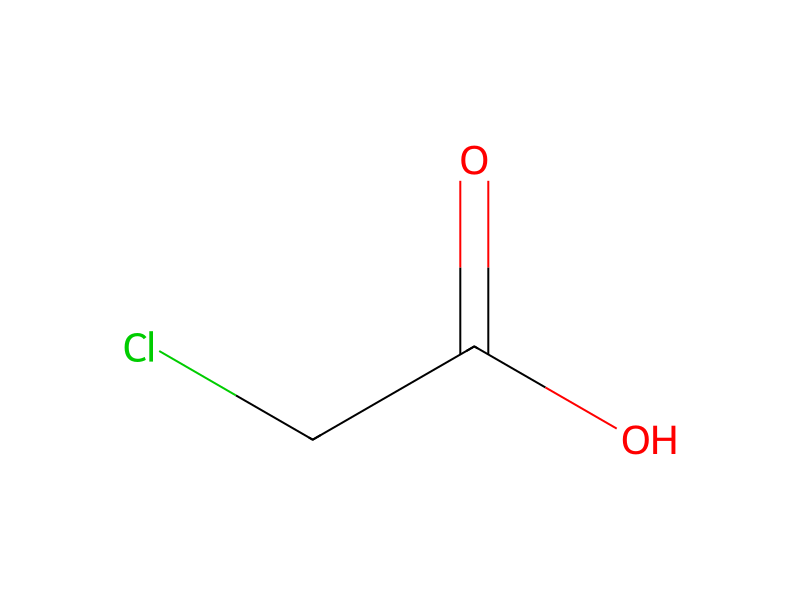
[N+]([C:4]1[CH:9]=[CH:8][CH:7]=[CH:6][CH:5]=1)([O-])=O.Cl[CH2:11][C:12](O)=O.C(=S)=[S:16]>>[S:16]1[C:5]2[CH:6]=[CH:7][CH:8]=[CH:9][C:4]=2[CH:12]=[CH:11]1Participants
4



Procedure
In further detail, a compound (XIV) is reacted with a benzoyl chloride in the presence of a Lewis acid (e.g. aluminum chloride or tin tetrachloride) to obtain a compound (XV). Usually, this reaction can be carried out by the use of or without a solvent (e.g. carbon disulfide or nitrobenzene) in a temperature range of room temperature to about 100° C. Then, the compound (XV) is reacted with chloroacetic acid in a temperature range of approximately 80°-130° C. to obtain benzothiophene or a derivative thereof (IIb).
Workup
- customUsually, this reaction
- customin a temperature range of room temperature to about 100° C
Sources & evidence
- ORD record
- ord-56d48015ae2a4876b0db1e5a06184904
- Source dataset
- uspto-grants-2000_08
- Patent number
- USRE036832
Reaction notes
Loading…