Ethanol → HCID 178505617, compound
Reaction equation

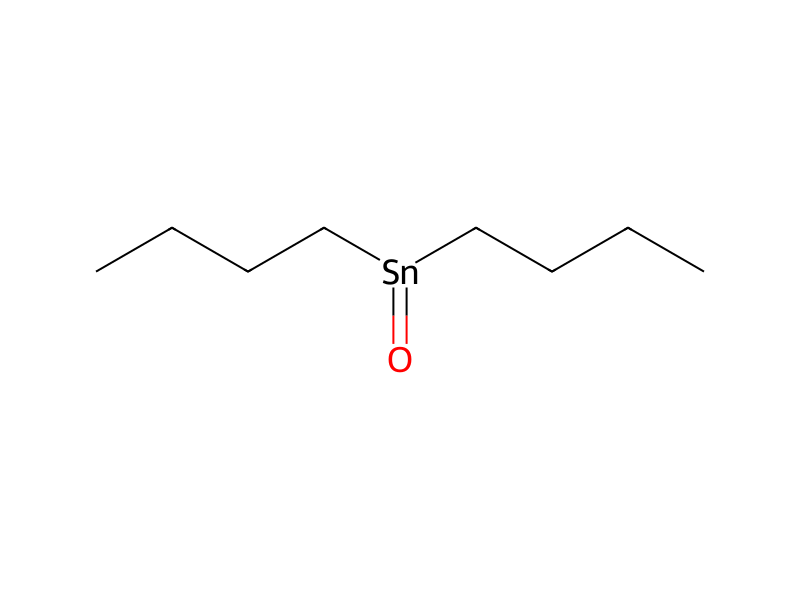
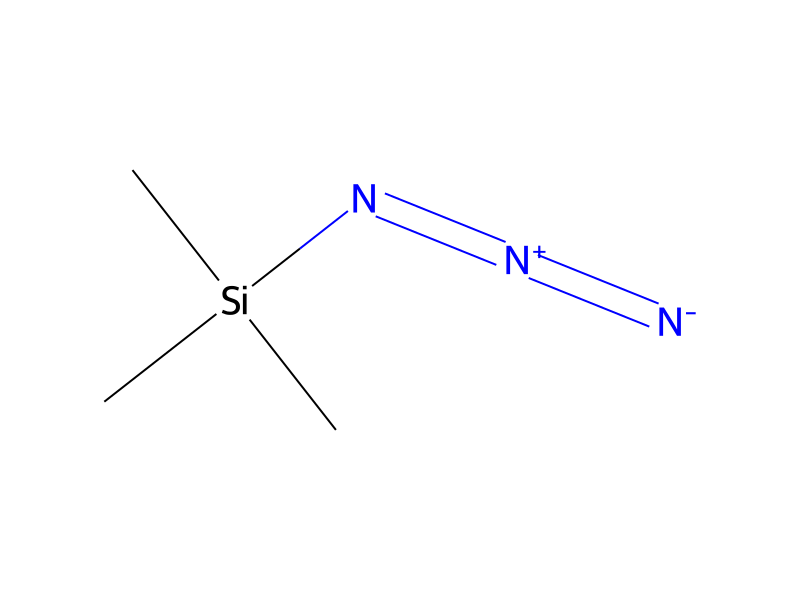
[F:1][C:2]1[CH:19]=[CH:18][CH:17]=[CH:16][C:3]=1[CH2:4][C:5]1[N:9]2[CH:10]=[CH:11][CH:12]=[CH:13][C:8]2=[C:7]([C:14]#[N:15])[N:6]=1.C([Sn](=O)CCCC)CCC.C[Si]([N:34]=[N+:35]=[N-:36])(C)C.C(O)C>C1(C)C=CC=CC=1>[F:1][C:2]1[CH:19]=[CH:18][CH:17]=[CH:16][C:3]=1[CH2:4][C:5]1[N:9]2[CH:10]=[CH:11][CH:12]=[CH:13][C:8]2=[C:7]([C:14]2[NH:36][N:35]=[N:34][N:15]=2)[N:6]=1Participants
Reactant 4


Product 1

Reagents, catalysts & solvents 1

Procedure
A solution of 188 mg (0.75 mmol) of 3-(2-fluorobenzyl)imidazo[1,5-a]pyridine-1-carbonitrile from example 18A, 18.6 mg (0.075 mmol) of dibutyltin oxide and 172 mg (1.50 mmol) of trimethylsilyl azide in 5 ml of toluene is heated under reflux for 20 h. Cooling is followed by addition of 5 ml of ethanol and stirring at RT for 15 h. The mixture is then concentrated, mixed with water and extracted with ethyl acetate. The organic phase is concentrated in vacuo, and the residue is purified by preparative HPLC. The product is taken up in ethyl acetate and clarified with activated carbon. The solid obtained after concentration is crystallized from dichloromethane. 40 mg (18% of theory) of the title compound are obtained as pale reddish crystals.
Workup
- temperatureunder reflux for 20 h
- temperatureCooling
- concentrationThe mixture is then concentrated
- additionmixed with water
- extractionextracted with ethyl acetate
- concentrationThe organic phase is concentrated in vacuo
- customthe residue is purified by preparative HPLC
- customThe solid obtained
- concentrationafter concentration
- customis crystallized from dichloromethane
Sources & evidence
- ORD record
- ord-8f7602c6565d48768c1a3f4719b11a15
- Source dataset
- uspto-grants-2012_11
- Patent number
- US08309551B2
Reaction notes
Loading…