Acetone → Ammonia
Reaction equation

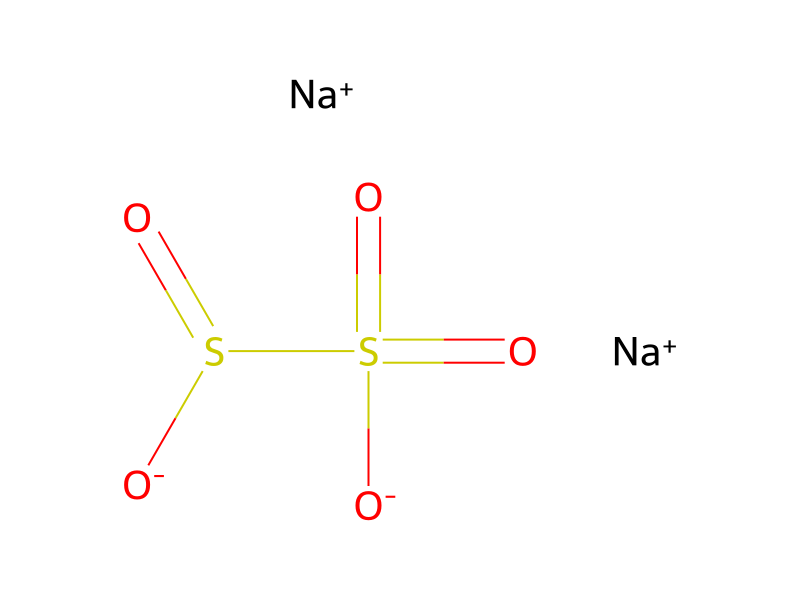
[Cl:1][C:2]1[C:9]([CH3:10])=[C:8]([O:11][CH:12]2[CH2:17][CH2:16][N:15]([CH2:18][CH:19]3[CH2:23][CH:22]=[CH:21][CH2:20]3)[CH2:14][CH2:13]2)[CH:7]=[CH:6][C:3]=1[C:4]#[N:5].[OH2:24].C[N+]1([O-])CCOCC1.CC(C)=O.S(S([O-])=O)([O-])(=O)=O.[Na+].[Na+].[OH2:46]>O.O.[O-][Os]([O-])(=O)=O.[K+].[K+]>[NH3:5].[Cl:1][C:2]1[C:9]([CH3:10])=[C:8]([O:11][CH:12]2[CH2:17][CH2:16][N:15]([CH2:18][CH:19]3[CH2:23][CH:22]([OH:24])[CH:21]([OH:46])[CH2:20]3)[CH2:14][CH2:13]2)[CH:7]=[CH:6][C:3]=1[C:4]#[N:5]Participants




Procedure
2-Chloro-4-(1-cyclopent-3-enylmethyl-piperidin-4-yloxy)-3-methyl-benzonitrile (1.5 g), potassium osmate (vi) dihydrate (0.042 g) and 4-methylmorpholine 4-oxide monohydrate (3.2 ml of a 50% soln in water) were added to acetone (40 ml) and water (5 ml). The reaction mixture was heated under reflux for 1 h. LC/MS showed complete conversion to the desired diol. The reaction was allowed to cool to room temperature and then sodium metabisulfite solution was added. The reaction mixture was extracted with dichloromethane, then sodium bicarbonate solution was added and the aqueous mixture was extracted again with dichloromethane. The organic extracts were combined and evaporated. The residue was loaded onto an SCX cartridge and eluted with dichloromethane/methanol and then with 0.7M ammonia in methanol to give the title compound (1.3 g).
Workup
- temperatureThe reaction mixture was heated
- temperatureunder reflux for 1 h
- extractionThe reaction mixture was extracted with dichloromethane
- additionsodium bicarbonate solution was added
- extractionthe aqueous mixture was extracted again with dichloromethane
- customevaporated
- washeluted with dichloromethane/methanol
Sources & evidence
- ORD record
- ord-3b48c925684d49caa05275b1c8380a26
- Source dataset
- uspto-grants-2012_11
- Patent number
- US08314127B2
Reaction notes
Loading…