Ethylenediaminetetraacetic acid disodium salt → Styrene
Reaction equation

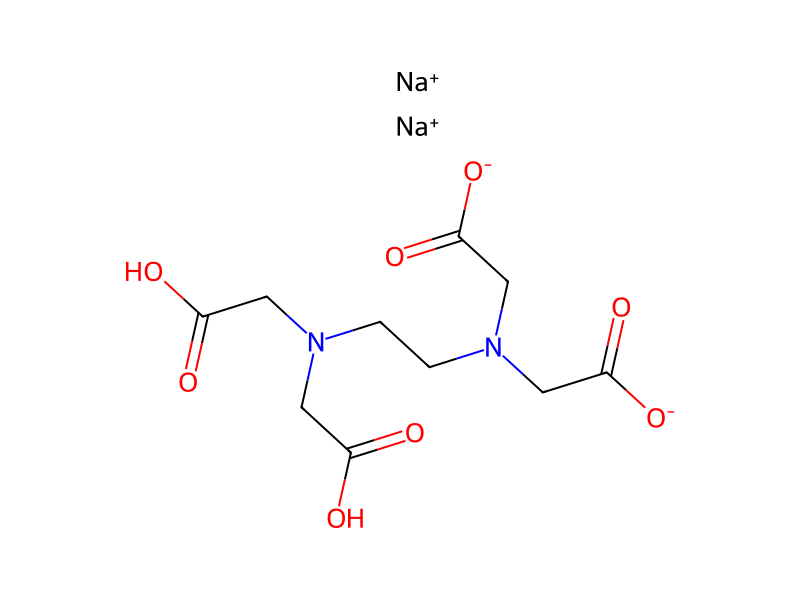
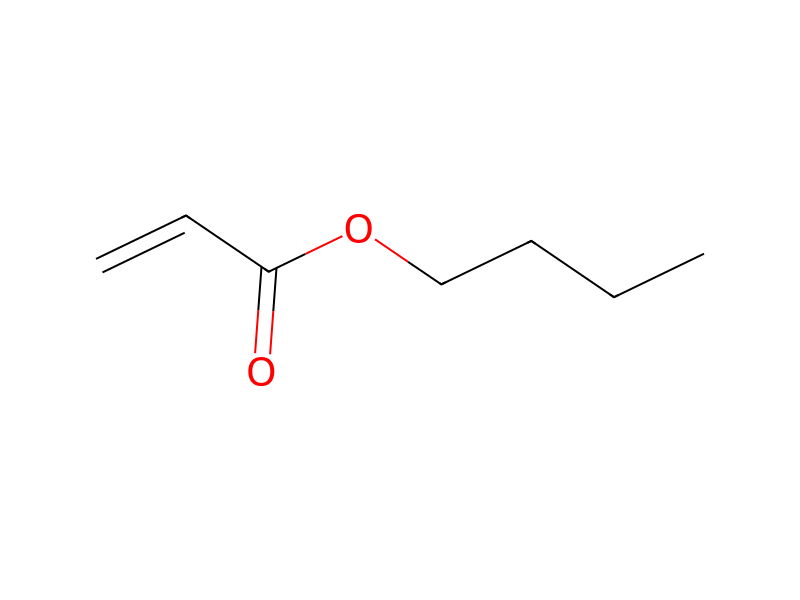
[C:1]([O-:20])(=O)[CH2:2][CH2:3][CH2:4]CCCC/C=C\[CH2:11][CH2:12][CH2:13][CH2:14][CH2:15][CH2:16][CH2:17][CH3:18].[Na+].[CH2:22](S([O-])=O)[OH:23].[Na+].[CH2:28](N(CC(O)=O)CC(O)=O)[CH2:29]N(CC([O-])=O)CC([O-])=O.[Na+].[Na+]>O>[CH2:18]=[CH:17][C:16]1[CH:11]=[CH:12][CH:13]=[CH:14][CH:15]=1.[C:22]([O:20][CH2:1][CH2:2][CH2:3][CH3:4])(=[O:23])[CH:28]=[CH2:29].[CH2:1]=[CH:2][CH:3]=[CH2:4]Participants



Conditions
- Temperature
- 50 °C
Procedure
Into an autoclave, 200 parts by weight of distilled water, 4.0 parts by weight of sodium oleate as an emulsifier, 0.267 parts by weight of Rongalit (sodium formaldehydesulfoxylate), 0.13 parts by weight of disodium ethylenediaminetetraacetate and 0.008 parts by weight of ferrous sulfate 7H2O were fed and heated to 50° C. under stirring while substituting the atmosphere with nitrogen. Thirty minutes later, as monomers for forming the core layer, 33.1 parts by weight of styrene, 7.4 parts by weight of butyl acrylate, and 29.5 parts by weight of butadiene were added thereto, and stirring was continued for a further 30 minutes while maintaining this temperature. Then, at the same temperature, 0.1 parts by weight of cumene hydroperoxide was added thereto to initiate the first polymerization. Four hours later, it was confirmed by gas chromatography that all the monomers were consumed. Thus, a polymer latex was obtained.
Sources & evidence
- ORD record
- ord-48cf9110d81649778eaaf85323eff0bd
- Source dataset
- uspto-grants-2004_07
- Patent number
- US06759107B1
Reaction notes
Loading…