Oxalic Acid → Didesmethylcitalopram
Reaction equation

C[N:2]([CH2:4][CH2:5][CH2:6][C@@:7]1([C:18]2[CH:23]=[CH:22][C:21]([F:24])=[CH:20][CH:19]=2)[O:11][CH2:10][C:9]2[CH:12]=[C:13]([C:16]#[N:17])[CH:14]=[CH:15][C:8]1=2)C.C(O)(C(O)=O)=O.O=C(C(=O)O)O>O>[NH2:2][CH2:4][CH2:5][CH2:6][C:7]1([C:18]2[CH:19]=[CH:20][C:21]([F:24])=[CH:22][CH:23]=2)[C:8]2[C:9](=[CH:12][C:13]([C:16]#[N:17])=[CH:14][CH:15]=2)[CH2:10][O:11]1Participants
Reactant 2
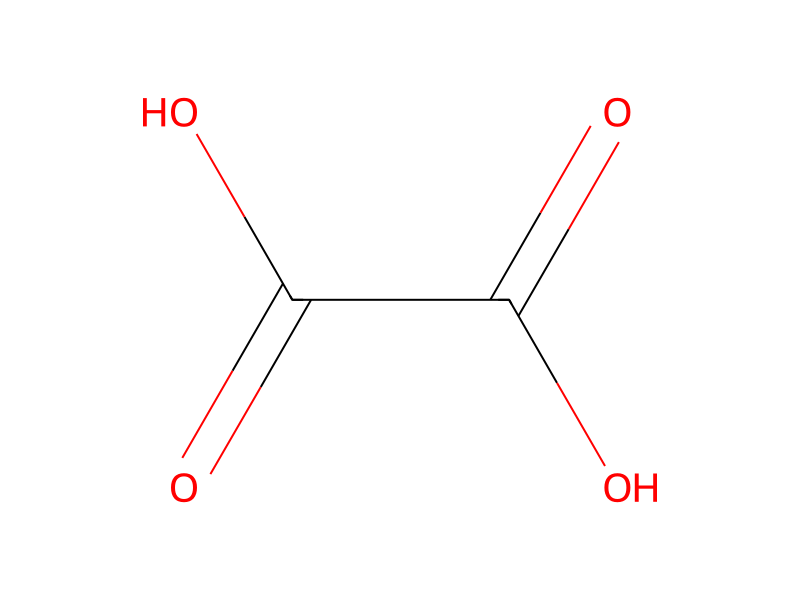

Product 1

Reagents, catalysts & solvents 1

Procedure
Sodium cyanoborohydride (0.34 g. 5.4 mmol) was added to a mixture of 1-(3-Aminopropyl)-1-(4-fluorophenyl)-1,3-dihydro-5-isobenlzofiurancarbonitrile (0.80 g, 2.7 mmol) and formaldehyde (0.44 mL, 5.4 mmol, 37% in H2O) in methanol (10 mL). The resulting mixture was stirred at room temperature for 3 h, then was added more sodium cyanoborohydride (0.17 g, 2.7 mmol) and formaldehyde (0.22 mL, 2.7 mmol). After stirring at room temperature for 1 h, the mixture was quenched with H2O and extracted with Et2O. The organic extracts were dried and evaporated. Silica gel chromatography (EtOAc, heptane, triethylamine 75:25:1) of the residue gave the crude product, which was isolated as the oxalate salt from acetone (0.31 g, 0.8 mmol, 30%). The NMR-spectra were identical with those obtained from citalopram oxalate prepared in example 2. Anal. (C20H21N2O, C2H2O4, ¼ H2O) calcd. C: 63.06; H: 5.67; N: 6.69. Found C: 63.28; H: 5.64; N: 6.67.
Sources & evidence
- ORD record
- ord-5ac165bbce3345d3b6939f9c851f3045
- Source dataset
- uspto-grants-2004_07
- Patent number
- US06768011B2
Reaction notes
Loading…