Trimethyl orthoformate → HCID 136054910, compound
Reaction equation

[NH2:1][C:2]1[CH:11]=[C:10]2[C:5]([C:6](=[O:22])[NH:7][C:8]([C:12]3[CH:17]=[CH:16][CH:15]=[CH:14][C:13]=3[O:18][CH2:19][CH2:20][CH3:21])=[N:9]2)=[CH:4][CH:3]=1.[CH3:23]OC(OC)OC>>[CH3:23][NH:1][C:2]1[CH:11]=[C:10]2[C:5]([C:6](=[O:22])[NH:7][C:8]([C:12]3[CH:17]=[CH:16][CH:15]=[CH:14][C:13]=3[O:18][CH2:19][CH2:20][CH3:21])=[N:9]2)=[CH:4][CH:3]=1Participants
3
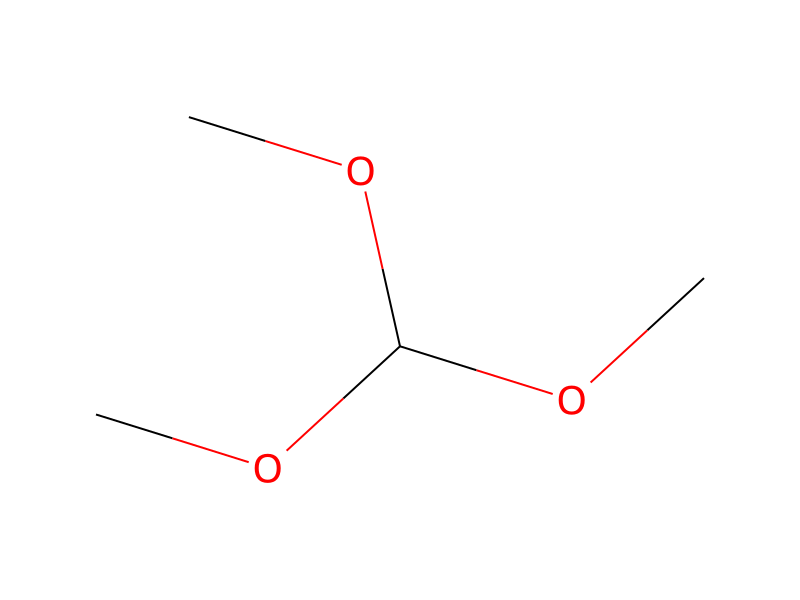


Procedure
7-amino-2-(2-propoxyphenyl)-4(3H)-quinazolinone (0.5 g) was heated under reflux in trimethylorthoformate (5 ml) for 22 hours. The reaction mixture was evaporated to dryness, the residue dissolved in dry tetrahydrofuran and treated with sodium borohydride (0.3 g) and 4A molecular sieves for 24 hours. The reaction mixture was partitioned between water and dichloromethane, the organic layer separated, dried (magnesium sulphate) and evaporated. The residue was recrystallised from dichloromethane-diethyl ether to give 7-methylamino-2-(2-propoxyphenyl)-4(3H)-quinazolinone 0.17 g, m.p. 204°-205° C.
Workup
- customThe reaction mixture was evaporated to dryness
- dissolutionthe residue dissolved in dry tetrahydrofuran
- additiontreated with sodium borohydride (0.3 g) and 4A molecular sieves for 24 hours
- customThe reaction mixture was partitioned between water and dichloromethane
- customthe organic layer separated
- dry with materialdried (magnesium sulphate)
- customevaporated
- customThe residue was recrystallised from dichloromethane-diethyl ether
Sources & evidence
- ORD record
- ord-9013732ea214444d87f94c59b672e977
- Source dataset
- uspto-grants-1992_09
- Patent number
- US05147875
Reaction notes
Loading…