Pyridine → 5-(Methoxy-methylamino)-3-methyl-5-oxopentanoic acid
Reaction equation

[CH3:1][CH:2]1[CH2:8][C:7](=[O:9])[O:6][C:4](=[O:5])[CH2:3]1.Cl.[CH3:11][NH:12][O:13][CH3:14].N1C=CC=CC=1>ClCCl>[CH3:14][O:13][N:12]([CH3:11])[C:7](=[O:9])[CH2:8][CH:2]([CH3:1])[CH2:3][C:4]([OH:6])=[O:5]Participants

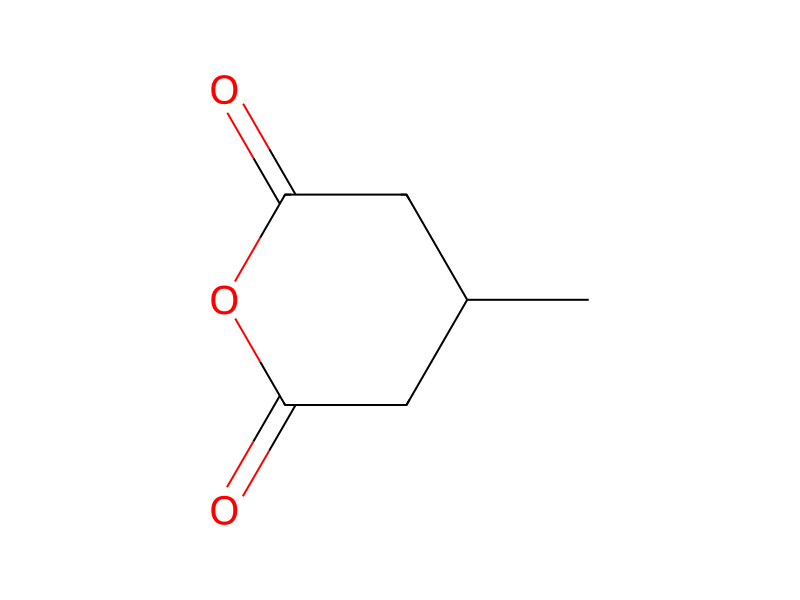
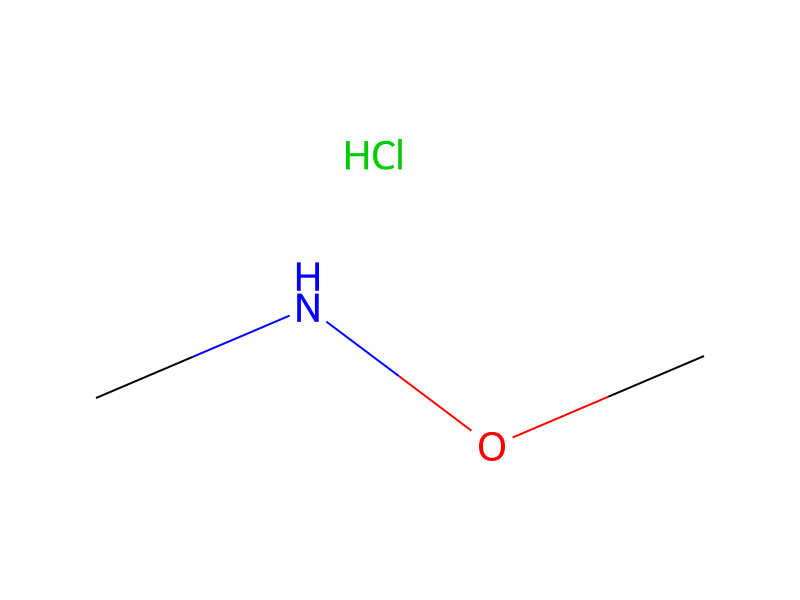


Procedure
A solution of 3-methylglutaric anhydride (5.0 g) and N,O-dimethylhydroxylamine hydrochloride (4.19 g) in dichloromethane (100 mL) was stirred at 0° C. and treated dropwise with pyridine (6.9 mL). The resulting solution was warmed to rt over 45 min and then stirred overnight. After this time, the mixture was concentrated under vacuum, and the resulting residue was taken up in saturated aqueous sodium chloride and 1:1 ether/dichloromethane. The aqueous and organic layers were separated and the aqueous layer was extracted three times with dichloromethane. The combined organic layers were dried over magnesium sulfate and concentrated under vacuum to provide 5-(methoxy(methyl)amino)-3-methyl-5-oxopentanoic acid as a yellow oil (7.27 g). Mass spectrum m/z 188.10 (M−H−).
Workup
- concentrationAfter this time, the mixture was concentrated under vacuum
- customThe aqueous and organic layers were separated
- extractionthe aqueous layer was extracted three times with dichloromethane
- dry with materialThe combined organic layers were dried over magnesium sulfate
- concentrationconcentrated under vacuum
Sources & evidence
- ORD record
- ord-20585c836ad845f49955d44086157a7b
- Source dataset
- uspto-grants-2013_08
- Patent number
- US08507559B2
Reaction notes
Loading…