Sodium hydride → 1-{2-[(6-Bromopyridin-3-yl)oxy]ethyl}pyrrolidine-2,5-dione
Reaction equation

[OH:1][C:2]1[CH:3]=[N:4][C:5]([Br:8])=[CH:6][CH:7]=1.[H-].[Na+].[O:11]=[C:12]1[CH2:16][CH2:15][C:14](=[O:17])[N:13]1[CH2:18][CH2:19]OS(C)(=O)=O>CN(C=O)C.CN(C)C1C=CN=CC=1>[Br:8][C:5]1[N:4]=[CH:3][C:2]([O:1][CH2:19][CH2:18][N:13]2[C:14](=[O:17])[CH2:15][CH2:16][C:12]2=[O:11])=[CH:7][CH:6]=1Participants
Reactant 3

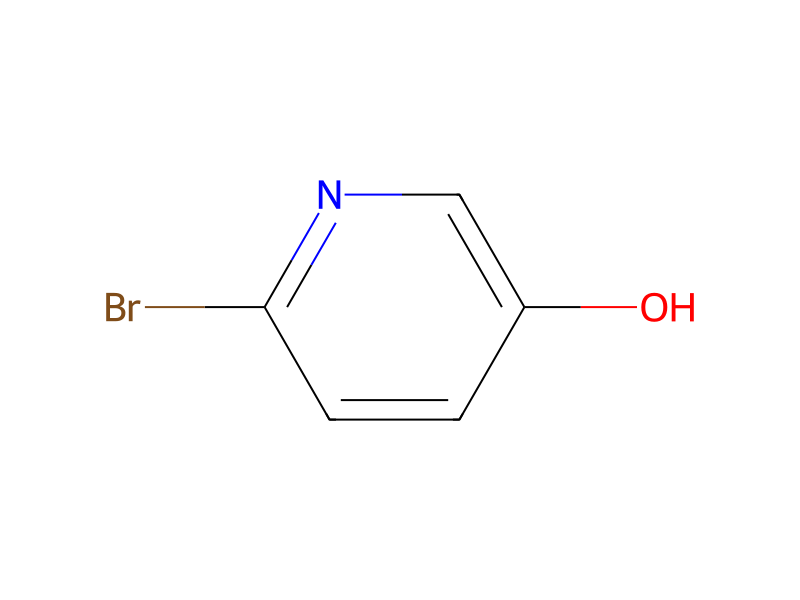

Product 1

Reagents, catalysts & solvents 2


Procedure
10 g (58 mmol) of 3-hydroxy-6-bromopyridine were dissolved in 40 ml of DMF and treated with 2.76 g (69 mmol) of sodium hydride (60% suspension in mineral oil). After stirring at room temperature for 1 h, 20 mg of 4-dimethylaminopyridine were added and the mixture was treated with 16.53 g (74.8 mmol) of methanesulfonic acid 2-(2,5-dioxopyrrolidin-1-yl)ethyl ester and heated to 100° C. for 3 h. Subsequently, the solvent was evaporated and the residue was taken up in water and extracted 4 times with ethyl acetate. The combined organic phases were dried and evaporated to dryness. The remaining material was purified by chromatography (silica gel, dichloromethane/methanol 98:2) followed by preparative HPLC (RP18, acetonitrile/water containing 0.1% TFA) to yield 10.8 g of the title compound.
Workup
- temperatureheated to 100° C. for 3 h
- customSubsequently, the solvent was evaporated
- extractionextracted 4 times with ethyl acetate
- customThe combined organic phases were dried
- customevaporated to dryness
- customThe remaining material was purified by chromatography (silica gel, dichloromethane/methanol 98:2)
Sources & evidence
- ORD record
- ord-7678fb527e954848a3a1975d884bd17c
- Source dataset
- uspto-grants-2013_08
- Patent number
- US08518976B2
Reaction notes
Loading…