Sodium Dithionite → 5-Amino-2-morpholin-4-yl-1,3-benzoxazole
Reaction equation

[O:1]1[CH2:6][CH2:5][N:4]([C:7]2[O:8][C:9]3[CH:15]=[CH:14][C:13]([N+:16]([O-])=O)=[CH:12][C:10]=3[N:11]=2)[CH2:3][CH2:2]1.S(S([O-])=O)([O-])=O.[Na+].[Na+]>C(O)C.O.O>[O:1]1[CH2:6][CH2:5][N:4]([C:7]2[O:8][C:9]3[CH:15]=[CH:14][C:13]([NH2:16])=[CH:12][C:10]=3[N:11]=2)[CH2:3][CH2:2]1Participants
5
Reactant 2

Product 1

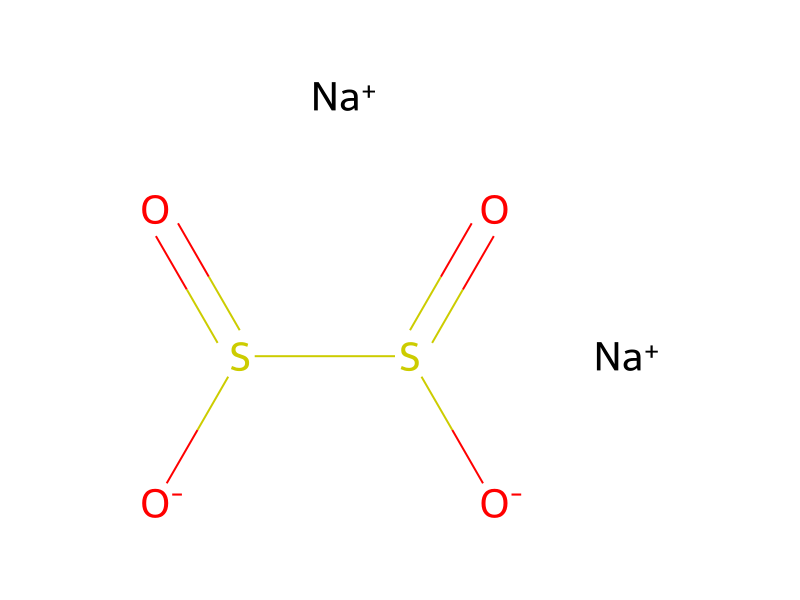
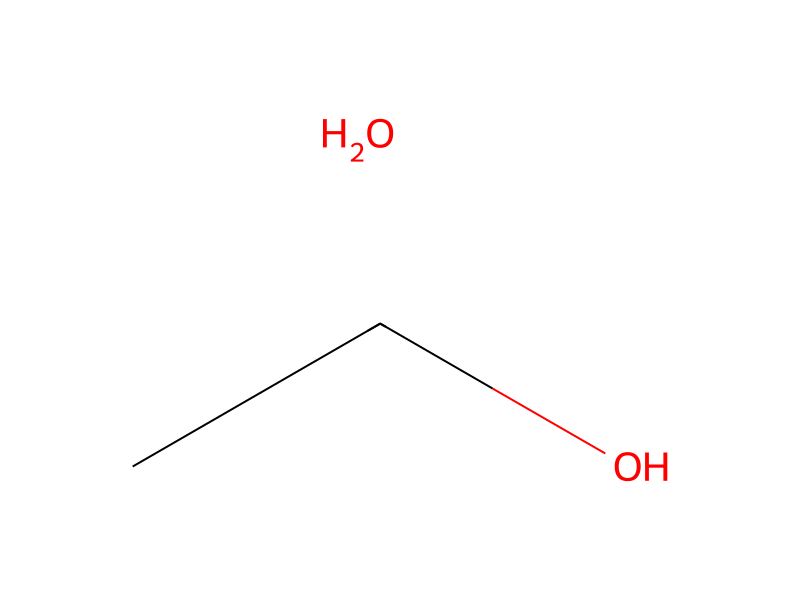
Reagents, catalysts & solvents 2

Procedure
A solution of 2-morpholino-5-nitrobenzo[d]oxazole (130 mg, 0.52 mmol) in ethanol/water 1:1 v/v (10 mL) was treated with sodium dithionite (182 mg, 1.04 mmol) at room temperature and then refluxed for 16 h. After cooling, the mixture was diluted with water and extracted with ethyl acetate. The organic layer was dried over anhydrous MgSO4 and evaporated to afford 35 mg (30%) of the title compound.
Workup
- temperaturerefluxed for 16 h
- temperatureAfter cooling
- extractionextracted with ethyl acetate
- dry with materialThe organic layer was dried over anhydrous MgSO4
- customevaporated
Sources & evidence
- ORD record
- ord-4c407d27787a47e6a75b2e15a183ad34
- Source dataset
- uspto-grants-2013_08
- Patent number
- US08518980B2
Reaction notes
Loading…