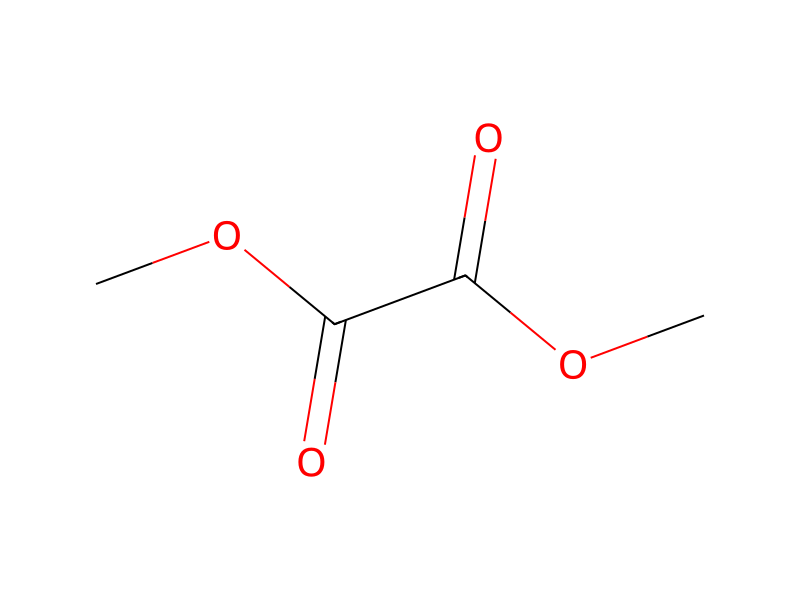
Dimethyl oxalate → methyl N-(1-cyclohexyloxy-2,2,6,6-tetramethylpiperidin-4-yl)oxamate
Reaction equation

[NH2:1][CH:2]1[CH2:7][C:6]([CH3:9])([CH3:8])[N:5]([O:10][CH:11]2[CH2:16][CH2:15][CH2:14][CH2:13][CH2:12]2)[C:4]([CH3:18])([CH3:17])[CH2:3]1.[C:19](OC)(=[O:24])[C:20]([O:22][CH3:23])=[O:21]>C1(C)C=CC=CC=1>[CH:11]1([O:10][N:5]2[C:6]([CH3:8])([CH3:9])[CH2:7][CH:2]([NH:1][C:19](=[O:24])[C:20]([O:22][CH3:23])=[O:21])[CH2:3][C:4]2([CH3:18])[CH3:17])[CH2:16][CH2:15][CH2:14][CH2:13][CH2:12]1Participants
4



Procedure
A mixture of 1000 grams (39.3 mmol) of 4-amino-1-cyclohexyloxy-2,2,6,6-tetramethylpiperidine, 27.8 grams (236 mmol) of dimethyl oxalate and 100 ml of toluene is heated at reflux. Methanol and toluene are removed from the reaction mixture by fractional distillation. The reaction is then filtered and the liltrate is concentrated to obtain a solid. Fractional crystallization of the solid from 9:1 isopropanol:methylene chloride followed by recrystallization from heptane affords 6.5 grams (48% yield) of the title compound as a white solid melting at 124°-126° C.
Workup
- temperatureis heated
- temperatureat reflux
- customMethanol and toluene are removed from the reaction mixture by fractional distillation
- filtrationThe reaction is then filtered
- concentrationthe liltrate is concentrated
- customto obtain a solid
- customFractional crystallization of the solid from 9:1 isopropanol
- custommethylene chloride followed by recrystallization from heptane
Sources & evidence
- ORD record
- ord-5e927518963a48d5a1f5e20ac43e0595
- Source dataset
- uspto-grants-1996_11
- Patent number
- US05574162
Reaction notes
Loading…