Triethylamine → N-(2-(2,5-Dimethyl-1-pyrrolyl)ethyl)-4-chlorophenoxyacetamide
Reaction equation

[Cl:1][C:2]1[CH:12]=[CH:11][C:5]([O:6][CH2:7][C:8]([OH:10])=O)=[CH:4][CH:3]=1.[NH2:13][CH2:14][CH2:15][N:16]1[C:20]([CH3:21])=[CH:19][CH:18]=[C:17]1[CH3:22].C(N(CC)CC)C.CP(OP(CC)(C)=O)(CC)=O>CN(C)C=O>[CH3:22][C:17]1[N:16]([CH2:15][CH2:14][NH:13][C:8](=[O:10])[CH2:7][O:6][C:5]2[CH:4]=[CH:3][C:2]([Cl:1])=[CH:12][CH:11]=2)[C:20]([CH3:21])=[CH:19][CH:18]=1Participants
Reactant 4

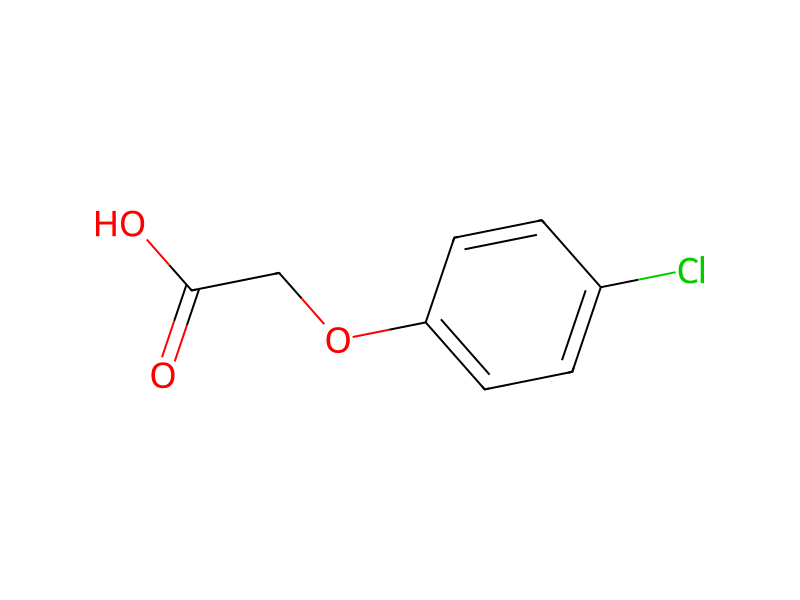


Product 1

Reagents, catalysts & solvents 1

Procedure
9.3 g (0.05 mol) of 4-chlorophenoxyacetic acid, 6.9 g (0.05 mol) of 1-(2-aminoethyl)-2,5-dimethylpyrrole and 35 ml of triethylamine are dissolved in 50 ml of dimethylformamide. At -5° to 0° C., 20 ml of methylethylphosphinic anhydride are added dropwise, and the mixture is then stirred at room temperature for 3 h. The reaction mixture is poured into ice-cold aqueous sodium bicarbonate solution, and the mixture is extracted with methylene chloride and the extract is concentrated. The residue is chromatographed over a 20 cm silica gel column using a 1:1 methylene chloride/ethyl acetate mixture as the mobile phase, and the product is crystallized using ligroin. Yield: 10.5 g (69% of theory), Melting point: 75°-77° C. Elemental analysis: C16H19CLN2O2 (306.80) calculated: C 62.6 H 6.2 CL 11.6 N 9.1 0 10.4 found: C 62.7 H 6.4 CL 11.7 N 9.2 0 10.4
Workup
- additionThe reaction mixture is poured into ice-cold aqueous sodium bicarbonate solution
- extractionthe mixture is extracted with methylene chloride
- concentrationthe extract is concentrated
- customThe residue is chromatographed over a 20 cm silica gel column
- customthe product is crystallized
Sources & evidence
- ORD record
- ord-606d326a18894badb83cf9795ed4e838
- Source dataset
- uspto-grants-1989_06
- Patent number
- US04837225
Reaction notes
Loading…