Boron tribromide → HCID 14254546, compound
Reaction equation

[Cl:1][C:2]1[C:7]2[C:8](=[O:19])[C:9]([C:12]3[CH:17]=[CH:16][CH:15]=[CH:14][C:13]=3[OH:18])=[CH:10][O:11][C:6]=2[CH:5]=[C:4]([O:20][CH2:21][C:22]([O:24]CC)=[O:23])[CH:3]=1.C(=O)=O.CC(C)=O.B(Br)(Br)Br>ClCCl>[Cl:1][C:2]1[C:7]2[C:8](=[O:19])[C:9]([C:12]3[CH:17]=[CH:16][CH:15]=[CH:14][C:13]=3[OH:18])=[CH:10][O:11][C:6]=2[CH:5]=[C:4]([O:20][CH2:21][C:22]([OH:24])=[O:23])[CH:3]=1Participants
5
Reactant 3


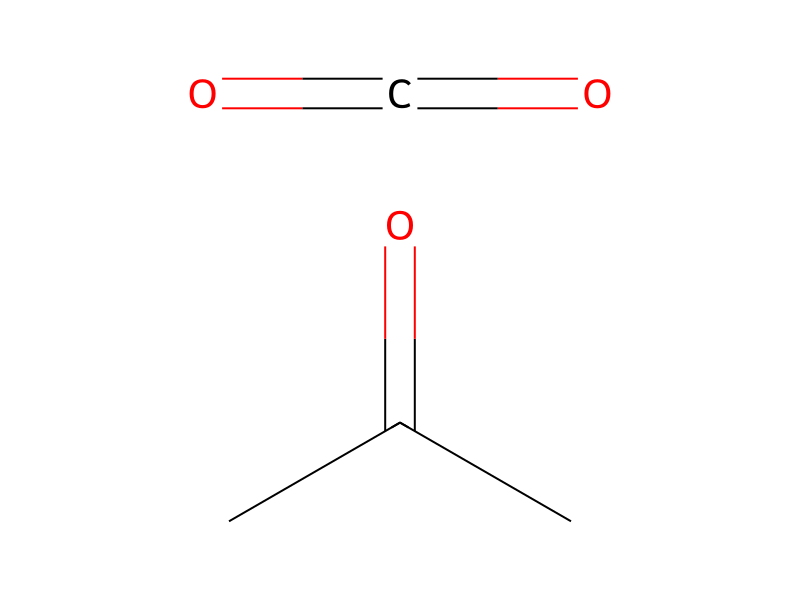
Product 1

Reagents, catalysts & solvents 1

Procedure
In 100 ml of dried dichloromethane was dissolved 1.7 g of ethyl {[5-chloro-3-(2-hydroxyphenyl)-4-oxo-4H-1-benzopyran-7-yl]oxy}acetate, and the solution was cooled with dry ice-acetone. Three milliliters of boron tribromide were added to the cooled solution in small portions, and the resulting mixture was refluxed for 3 hours. After cooling, the solvent was removed by distillation under reduced pressure, and to the residue was added dilute hydrochloric acid. The precipitated crystals were collected by filtration, washed with water, air-dried, and recrystallized from ethanol to obtain 1.0 g of the entitled compound having a melting point of 188°-189° C. (with decomposition).
Workup
- temperaturethe resulting mixture was refluxed for 3 hours
- temperatureAfter cooling
- customthe solvent was removed by distillation under reduced pressure
- additionto the residue was added dilute hydrochloric acid
- filtrationThe precipitated crystals were collected by filtration
- washwashed with water
- customair-dried
- customrecrystallized from ethanol
Sources & evidence
- ORD record
- ord-e6192c3dd46d4e0b8413e91e1a393941
- Source dataset
- uspto-grants-1989_06
- Patent number
- US04841076
Reaction notes
Loading…