Oxalic Acid → Acrylic anhydride
Reaction equation

[C:1]([OH:5])(=[O:4])[CH:2]=[CH2:3].C(O[C:10]([CH3:12])=[CH2:11])(C)=C.C(O)(=O)C(O)=[O:15]>C(Cl)Cl>[C:1]([O:5][C:12](=[O:15])[CH:10]=[CH2:11])(=[O:4])[CH:2]=[CH2:3]Participants
Reactant 3
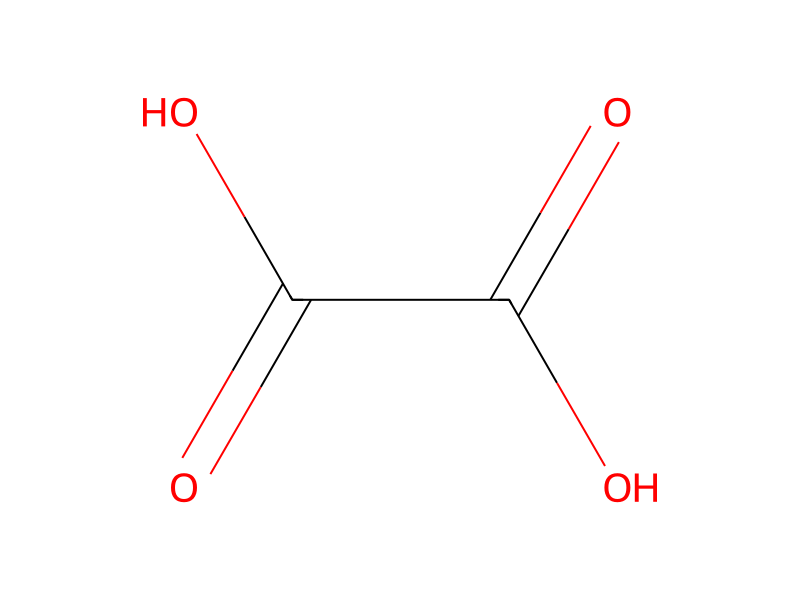


Product 1

Reagents, catalysts & solvents 1

Procedure
Acrylic acid (1.47 g, 0.02 mole), diisopropenyl ether (0.99 g, 0.01 mole) and oxalic acid (0.008 g, 8.9×10⁻⁵ moles) were mixed in a nitrogen-filled 10-ml volumetric flask. A 30-μl aliquot of this mixture was transferred to a nuclear magnetic resonance tube, mixed with CDCl3 (0.5 ml), methylene chloride (10 μ) and tetramethylsilane. After 24.5 hours, the sample in the nuclear magnetic resonance tube showed that the reaction was almost complete as the acid was nearly consumed. The amount of acrylic anhydride produced was 1.5:1 to that of the 2,2-propane diacrylate. Conversely the mixture in the original volumetric flask had a much lower conversion of reactants to products and almost no anhydride. After 14 days, the amount of acrylic anhydride in the nuclear magnetic resonance tube increased while that in the volumetric flask did not. The ratio of acrylic anhydride to 2,2-propane diacrylate was 3.3:1.
Workup
- additionfilled 10-ml volumetric flask
- customA 30-μl aliquot of this mixture was transferred to a nuclear magnetic resonance tube
- customwas nearly consumed
Sources & evidence
- ORD record
- ord-3368044ebe81404793d63d2bc170c085
- Source dataset
- uspto-grants-1987_03
- Patent number
- US04654174
Reaction notes
Loading…