Borane → HCID 67043493, Verbindung
Reaktionsgleichung

[Br:1][C:2]1[CH:7]=[CH:6][C:5]([C@@H:8]([NH:10][C:11](=[O:24])[CH2:12][CH:13]([C:18]2[CH:23]=[CH:22][CH:21]=[CH:20][CH:19]=2)[CH2:14][C:15](O)=[O:16])[CH3:9])=[CH:4][CH:3]=1.B>C1COCC1>[Br:1][C:2]1[CH:3]=[CH:4][C:5]([C@@H:8]([NH:10][C:11](=[O:24])[CH2:12][CH:13]([C:18]2[CH:19]=[CH:20][CH:21]=[CH:22][CH:23]=2)[CH2:14][CH2:15][OH:16])[CH3:9])=[CH:6][CH:7]=1Komponenten
4
Edukt 2
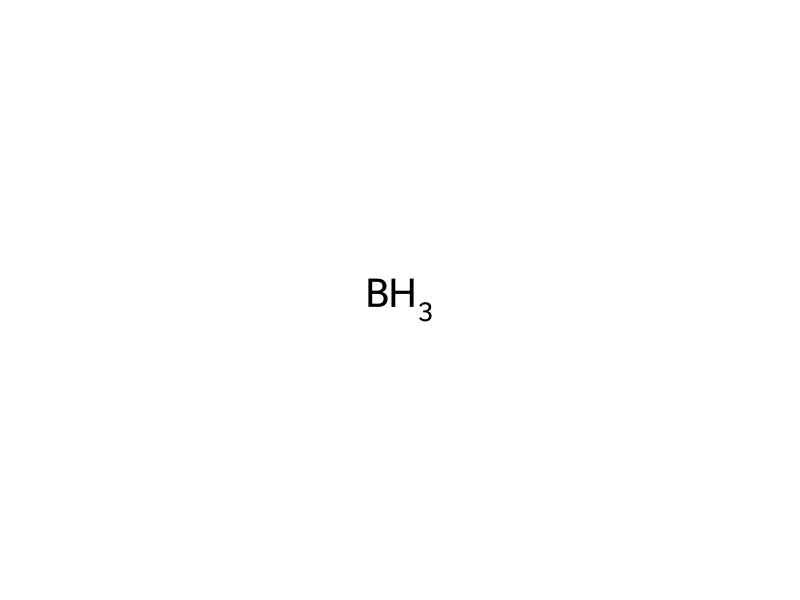

Produkt 1

Reagenzien, Katalysatoren, Lösungsmittel 1

Reaktionsbedingungen
- Temperatur
- 0 °C
Versuchsvorschrift
5-((S)-1-(4-bromophenyl)ethylamino)-5-oxo-3-phenylpentanoic acid (1.92 g, 4.92 mmol, 1.0 equiv) was dissolved in THF (30 mL) and the resulting solution cooled to 0° C. Borane (1.0 M in THF, 10.5 mL, 10.5 mmol, 2.1 equiv) was added via syringe. After 0.5 h LC-MS showed formation of the alcohol. The excess borane was quenched by the drop-wise addition of 1.0 M aq HCl and the mixture was transferred to a separatory funnel. The layers were separated and the organic layer washed with brine, dried over Na2SO4, filtered and evaporated. The resulting N—((S)-1-(4-bromophenyl)ethyl)-5-hydroxy-3-phenylpentanamide (˜1.9 g, >95% yield) was of sufficient purity to use in the next step.
Aufarbeitung
- customThe excess borane was quenched by the drop-wise addition of 1.0 M aq HCl
- customthe mixture was transferred to a separatory funnel
- customThe layers were separated
- washthe organic layer washed with brine
- dry with materialdried over Na2SO4
- filtrationfiltered
- customevaporated
Quellen und Nachweise
- ORD-Eintrag
- ord-a32f90095f7348abbbf0e25cf2749602
- Quelldatensatz
- uspto-grants-2013_12
- Patentnummer
- US08598160B2
Notizen zur Reaktion
Wird geladen…