Phenol → 1-(2-Methoxy-4-nitrophenoxy)-2-methylpropan-2-ol
Reaktionsgleichung

[K].[CH3:2][O:3][C:4]1[CH:9]=[C:8]([N+:10]([O-:12])=[O:11])[CH:7]=[CH:6][C:5]=1[OH:13].[CH3:14][C:15]1([O:18][CH2:17]1)[CH3:16].C1(O)C=CC=CC=1>O.CC#N>[CH3:2][O:3][C:4]1[CH:9]=[C:8]([N+:10]([O-:12])=[O:11])[CH:7]=[CH:6][C:5]=1[O:13][CH2:14][C:15]([CH3:17])([OH:18])[CH3:16]Komponenten
Edukt 4



Produkt 1

Reagenzien, Katalysatoren, Lösungsmittel 1
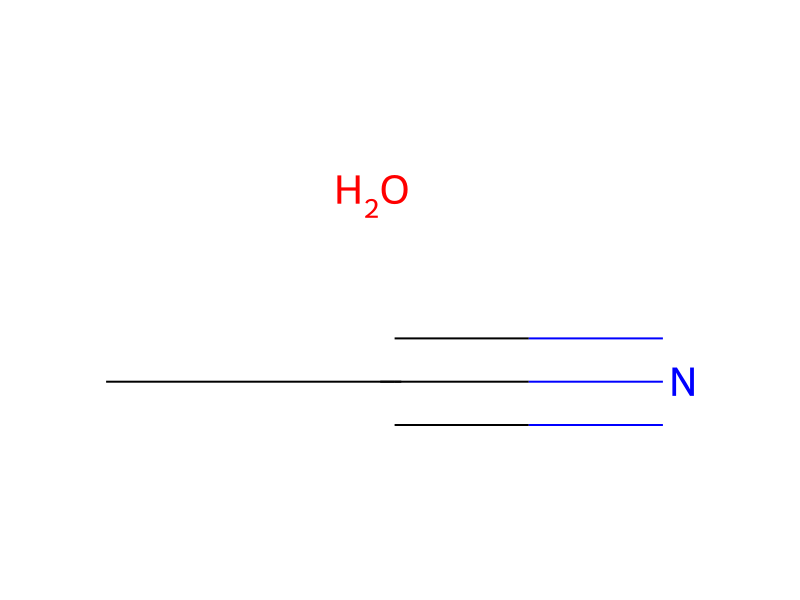
Reaktionsbedingungen
- Temperatur
- 170 °C
Versuchsvorschrift
A steel bomb, fitted with an internal thermocouple, pressure gauge and safety release valve rated at 3000 psi, with ˜55 mL capacity was charged with the potassium salt of 2-methoxy-4-nitrophenol (6 g, 29 mmol), NaH2PO4 (3.3 g, 27.7 mmol), isobutylene oxide (2.8 g, 35 mmol) and 30 mL of 15% H2O/MeCN. The sealed bomb was heated at 170° C. for three hr. Following cooling, HPLC revealed all starting phenol had been converted to product. The biphasic solution was concentrated using a rotary evaporator before being partitioned between CH2Cl2 and H2O. The aqueous phase was extracted 3× with CH2Cl2; the combined CH2Cl2 fractions were washed 3× with aq KHCO3/K2CO3 and once with H2O. After drying over Na2SO4, concentration under vacuum yielded 6.9 g of desired product as a tan solid.
Aufarbeitung
- temperatureFollowing cooling
- concentrationThe biphasic solution was concentrated
- customa rotary evaporator
- custombefore being partitioned between CH2Cl2 and H2O
- extractionThe aqueous phase was extracted 3× with CH2Cl2
- washthe combined CH2Cl2 fractions were washed 3× with aq KHCO3/K2CO3
- dry with materialAfter drying over Na2SO4, concentration under vacuum
Quellen und Nachweise
- ORD-Eintrag
- ord-373f42e96e124b13b780cf9ee2a386c2
- Quelldatensatz
- uspto-grants-2013_12
- Patentnummer
- US08618115B2
Notizen zur Reaktion
Wird geladen…