1,1-Dichloroethane → HCID 14581394, compound
Reaction equation

[N:1]1[S:2][N:3]=[C:4]2[C:9]([N:10]3[CH2:15][CH2:14][N:13](C)[CH2:12][CH2:11]3)=[CH:8][CH:7]=[CH:6][C:5]=12.Cl[C:18]([O:20][CH:21]=[CH2:22])=[O:19].ClC(Cl)C>>[N:1]1[S:2][N:3]=[C:4]2[C:9]([N:10]3[CH2:15][CH2:14][N:13]([C:18]([O:20][CH:21]=[CH2:22])=[O:19])[CH2:12][CH2:11]3)=[CH:8][CH:7]=[CH:6][C:5]=12Participants
4

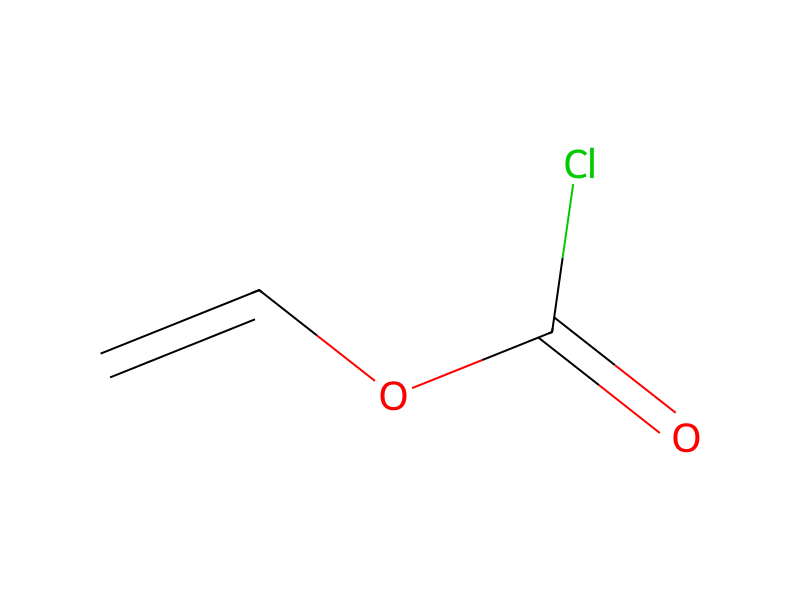


Procedure
To a 25 ml round-bottomed flask equipped with condenser and nitrogen inlet were added 620 mg (2.64 mmol) of 4-(2,1,3-benzothiadiazolyl)-N-methylpiperazine, 0.224 ml (2.64 mmol) vinyl chloroformate, and 15 ml dichloroethane. The reaction was refluxed 16 hours, cooled, and evaporated. The residue was chromatographed on silica gel using methylene chloride/ethyl acetate as eluent, and the product fractions collected to give yellow solid 4-(2,1,3-benzothiadiazolyl)-N-vinyloxycarbonylpiperazine, 530 mg (69%). NMR (δ, CDCl3): 3.6 (m, 4H), 3.8 (m, 4H). 4.4-5.0 (m, 2H), 6.6-7.6 (m, 4H).
Workup
- customTo a 25 ml round-bottomed flask equipped with condenser and nitrogen inlet
- temperatureThe reaction was refluxed 16 hours
- temperaturecooled
- customevaporated
- customThe residue was chromatographed on silica gel
- customthe product fractions collected
Sources & evidence
- ORD record
- ord-7ad4e7cb62374a5ba7a91153b7cc16c0
- Source dataset
- uspto-grants-2002_05
- Patent number
- US06387904B2
Reaction notes
Loading…