Adipic Acid → epsilon-CAPROLACTONE
Reaction equation

[CH2:1]([OH:8])[CH2:2][CH2:3][CH2:4][CH2:5][CH2:6][OH:7].[C:9]([OH:18])(=O)[CH2:10][CH2:11][CH2:12][CH2:13][C:14]([OH:16])=O>>[CH2:1]([OH:8])[CH2:2][CH2:3][CH2:4][CH2:5][CH2:6][OH:7].[C:14]1(=[O:16])[O:18][CH2:9][CH2:10][CH2:11][CH2:12][CH2:13]1Participants
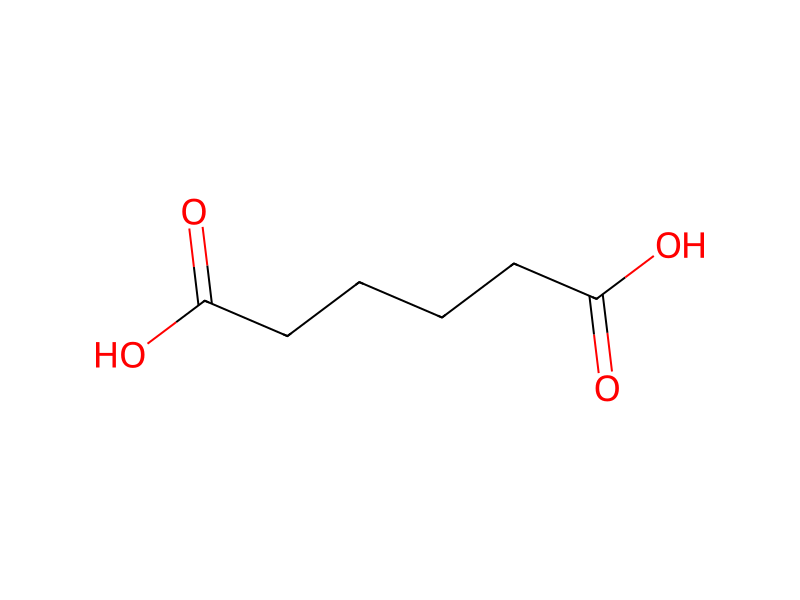

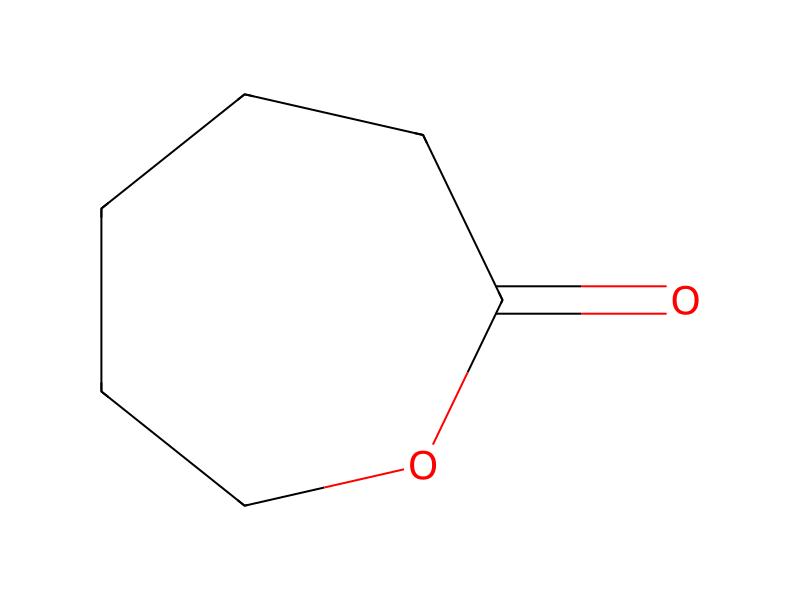
Procedure
To prepare hexane-1,6-diol, for example, it is known to hydrogenate adipic acid or its salts directly, in aqueous solution or in an organic solvent, by a batchwise (DE-A-26 05 107; GB 1,300,889) or continuous (DE-A-23 21 101) procedure in which, alongside hexane-1,6-diol, relatively large proportions of caprolactone, ω-hydroxy-caproic acid and monoalcohols with carbon numbers from 1 to 6 are always formed. For the same purpose, it is also known to esterify adipic acid with monoalcohols, to give a di-n-alkyl adipate which is hydrogenated in the gas phase to give hexane-1,6-diol (WO 82/03854). It is also known to esterify adipic acid with diols, such as hexane-1,6-diol, by a batchwise procedure to give a mixture of higher esters, which is hydrogenated in a batchwise autoclave process to give hexane-1,6-diol and ω-hydroxy-caproic esters, the hydrogenation catalyst employed being a pulverulent copper chromite catalyst (DE-B-10 23 750).
Sources & evidence
- ORD record
- ord-6cbc3497a55741029334b0e74c561606
- Source dataset
- uspto-grants-1997_12
- Patent number
- US05696303
Reaction notes
Loading…