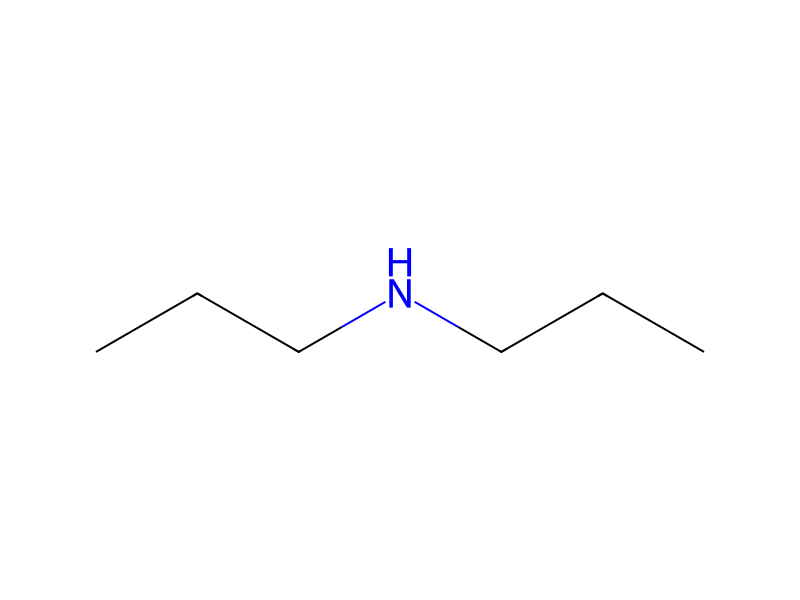
Dipropylamine → HCID 25182910, compound
Reaction equation

Cl[C:2]1[N:7]=[CH:6][N:5]=[C:4]([C:8]([NH:10][C:11]2[CH:12]=[C:13]3[C:17](=[CH:18][CH:19]=2)[NH:16][N:15]=[CH:14]3)=[O:9])[CH:3]=1.[CH2:20]([NH:23][CH2:24][CH2:25][CH3:26])[CH2:21][CH3:22]>>[CH2:20]([N:23]([CH2:24][CH2:25][CH3:26])[C:2]1[N:7]=[CH:6][N:5]=[C:4]([C:8]([NH:10][C:11]2[CH:12]=[C:13]3[C:17](=[CH:18][CH:19]=2)[NH:16][N:15]=[CH:14]3)=[O:9])[CH:3]=1)[CH2:21][CH3:22]Participants
3


Procedure
Following the general method as outlined in Example 20, starting from 6-chloro-pyrimidine-4-carboxylic acid (1 h-indazol-5-yl)-amide (Intermediate 16) and dipropylamine (Aldrich), the title compound was obtained as a white solid.
Sources & evidence
- ORD record
- ord-87308ee701ca4e2baffbf7c9624ed03a
- Source dataset
- uspto-grants-2013_03
- Patent number
- US08399448B2
Reaction notes
Loading…