1,4-Dibromobutane → Diethyl (4-bromobutyl)phosphonate
Reaction equation

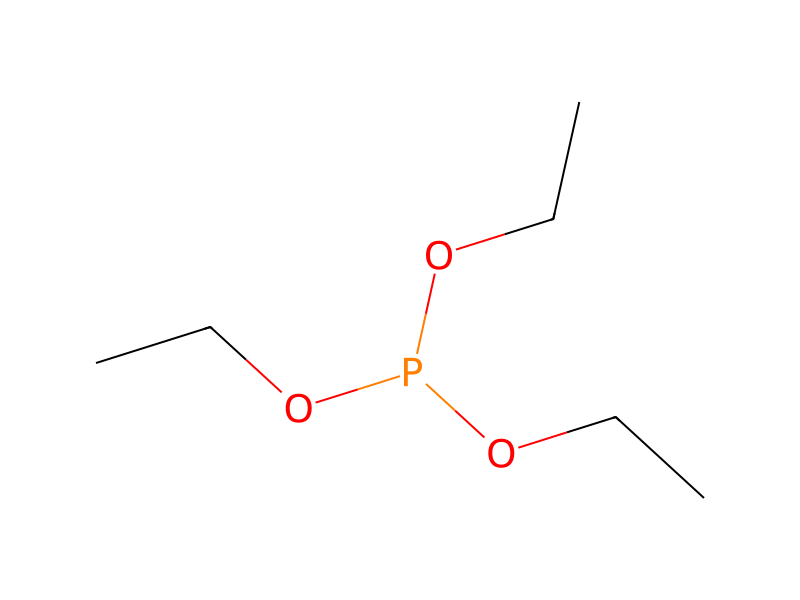
[Br:1][CH2:2][CH2:3][CH2:4][CH2:5]Br.[CH2:7]([O:9][P:10]([O:14]CC)[O:11][CH2:12][CH3:13])[CH3:8]>>[CH2:7]([O:9][P:10]([CH2:5][CH2:4][CH2:3][CH2:2][Br:1])(=[O:14])[O:11][CH2:12][CH3:13])[CH3:8]Participants
3


Procedure
In another method, 1,4-dibromobutane is heated with triethylphosphite to give diethyl-4-bromobutylphosphonate, for example, as described by Eberhard and Westheimer, 1965. The resultant bromide is then reacted with, for example, biphenyl-4-carboxylic acid in dimethylformamide, in the presence of potassium carbonate. Again, the phosphate ester groups, e.g., ethyl groups, are removed e.g., with trimethylsilylbromide or left in place. An example of such a method is illustrated in the following scheme.
Sources & evidence
- ORD record
- ord-14474d8dccbd4aedb2d643abfe03b0d5
- Source dataset
- uspto-grants-2010_06
- Patent number
- US07745424B2
Reaction notes
Loading…