Chlorosulfonic acid → 1187082-98-9
Reaction equation

[F:1][C:2]1[CH:7]=[CH:6][C:5]([N+:8]([O-:10])=[O:9])=[CH:4][C:3]=1[CH3:11].[Cl:12][S:13](O)(=[O:15])=[O:14]>>[Cl:12][S:13]([C:7]1[CH:6]=[C:5]([N+:8]([O-:10])=[O:9])[CH:4]=[C:3]([CH3:11])[C:2]=1[F:1])(=[O:15])=[O:14]Participants
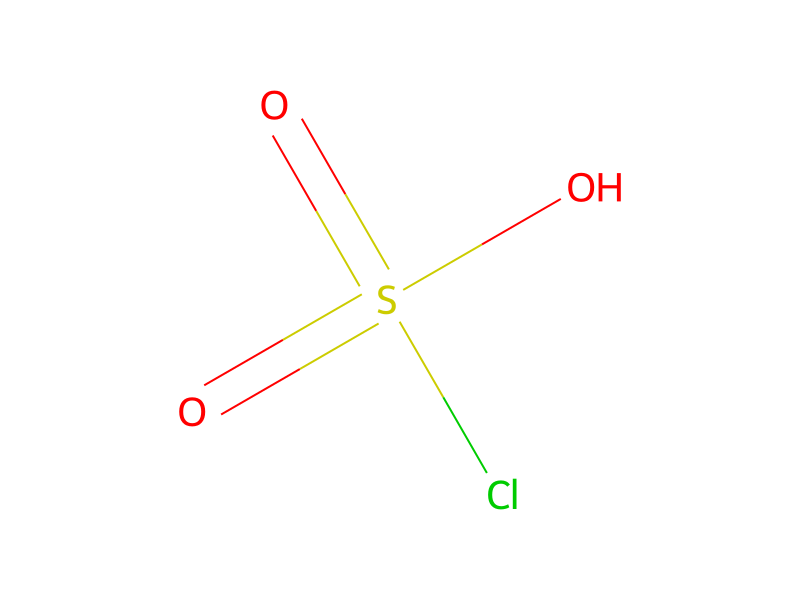


Conditions
- Temperature
- 100 °C
Procedure
A dry reaction flask equipped with a magnetic stirring bar, nitrogen inlet and reflux condenser was charged with 2-fluoro-5-nitrotoluene (6.20 g, 40 mmol) followed by chlorosulfonic acid (10.60 mL, 160 mmol) at 0° C., and then the reaction was stirred at 100° C. for 24 hours. After cooling it to the room temperature, the reaction was poured over ice-water (Caution!) and extracted with ethyl acetate (3×200 mL). Removal solvent under a reduced pressure afforded 3-chlorosulfonyl-4-fluoro-5-methylnitrobenzene intermediate, which was stirred in EtOAc (50 mL) and NH4OH (30%, 50 mL) for 2-3 hours. The separated organic phase was then evaporated to afford a crude material, which was purified by column chromatography (silica gel, hexanes then 10-20% EtOAc in hexanes) to afford 3-aminosulfonyl-4-fluoro-5-methylnitrobenzene. LCMS: purity: 96%; MS (m/e): 235 (MH+).
Workup
- customA dry reaction flask
- customequipped with a magnetic stirring bar, nitrogen inlet
- temperaturereflux condenser
- temperatureAfter cooling it to the room temperature
- extractionextracted with ethyl acetate (3×200 mL)
- customRemoval solvent under a reduced pressure
Sources & evidence
- ORD record
- ord-d6a32f6a05f84f20b3b055740ae73fb7
- Source dataset
- uspto-grants-2013_03
- Patent number
- US08399472B2
Reaction notes
Loading…