Ammonia → Octanenitrile
Reaction equation

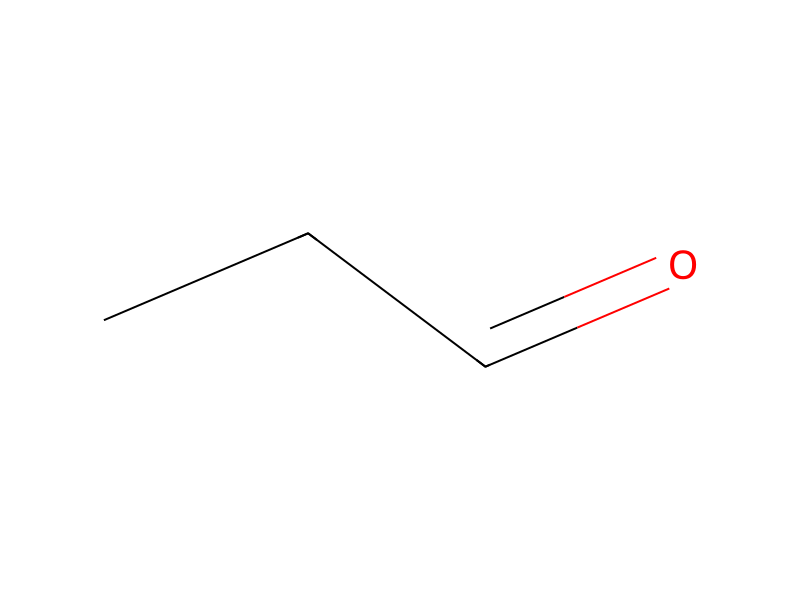
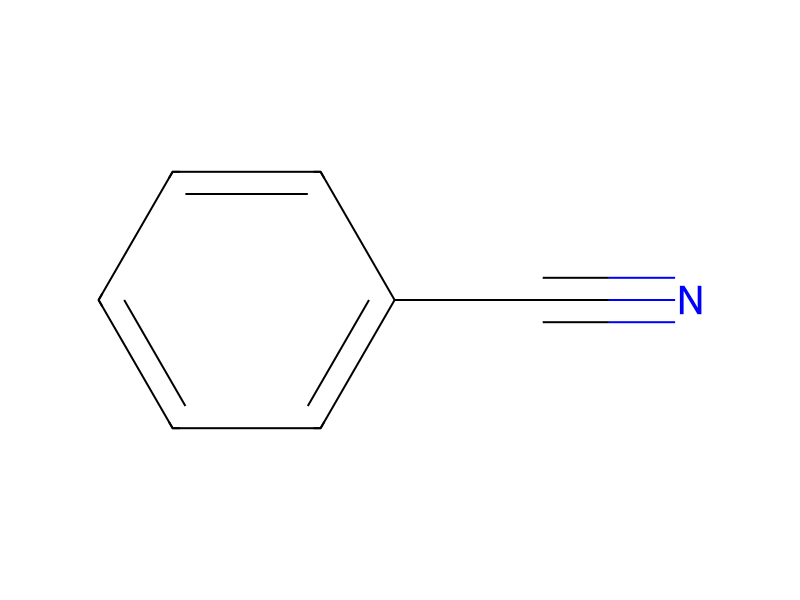
[CH:1](=[O:4])CC.[C:5](#[N:8])[CH2:6][CH3:7].C(#N)C=C.N.[C:14](#[N:21])[C:15]1[CH:20]=[CH:19][CH:18]=[CH:17][CH:16]=1>C(#N)C>[CH3:1][O:4][C:18]1[CH:19]=[CH:20][C:15]([C:14]#[N:21])=[CH:16][CH:17]=1.[C:5](#[N:8])[CH2:6][CH2:7][CH2:17][CH2:16][CH2:15][CH2:20][CH3:19]Participants
Reactant 5



Product 2


Reagents, catalysts & solvents 1

Procedure
In a Group 1 process, propanal is converted into a mixture containing some propionitrile and acrylonitrile together with acetonitrile, aldehydes, and other by-products by a reaction with gaseous ammonia and air at 460° C. over Sn/Sb oxide catalyst (M. Cathala, et al., Bull. Soc. chim. France, 1979, pp. 173-178). In another example (R. J. Card and J. L. Schmitt, J. Org. Chem., 1981, vol. 46, pp. 754-757), benzonitrile, p-methoxybenzonitrile, and octanenitrile are obtained in good yields by passing a stream of gaseous ammonia containing 5 mol % of the corresponding aldehyde through a catalyst bed (3 cm of Cu/alumina) at 325° C. According to Brit. Pat. 709,337, acrolein is converted into acrylonitrile in a gas phase reaction with air/ammonia/steam/ nitrogen mixture over molybdenum catalysts at 285-445° C.
Sources & evidence
- ORD record
- ord-0a37d9396aec4f1881d72fb9672e2227
- Source dataset
- uspto-grants-2000_09
- Patent number
- US06114565
Reaction notes
Loading…