Dicyclohexylcarbodiimide → N,N'-Dicyclohexylurea
Reaction equation

[OH:1]N1C(=O)CCC1=O.CN(C1C=CC=CN=1)C.[CH:18]1([N:24]=[C:25]=[N:26][CH:27]2[CH2:32][CH2:31][CH2:30][CH2:29][CH2:28]2)[CH2:23][CH2:22][CH2:21][CH2:20][CH2:19]1>C(#N)C>[C:25]([NH:24][CH:18]1[CH2:19][CH2:20][CH2:21][CH2:22][CH2:23]1)([NH:26][CH:27]1[CH2:32][CH2:31][CH2:30][CH2:29][CH2:28]1)=[O:1]Participants
5
Reactant 3

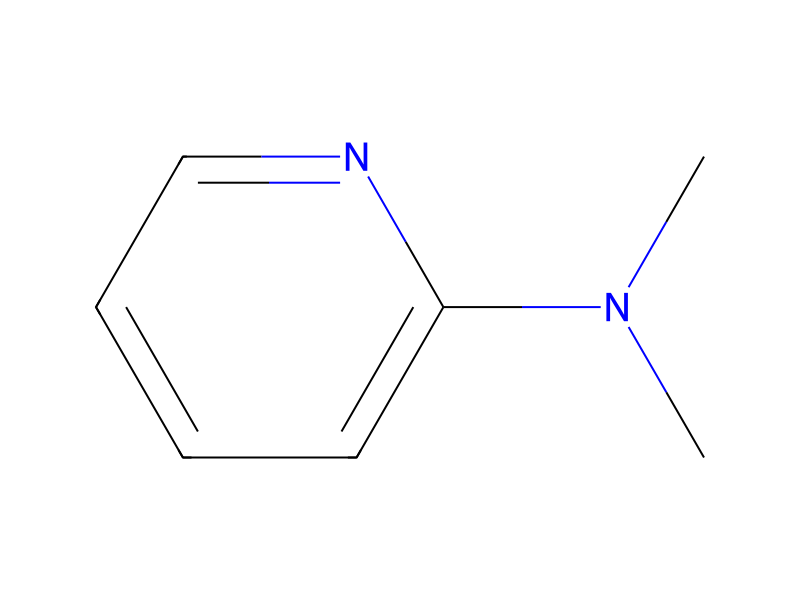

Product 1

Reagents, catalysts & solvents 1

Procedure
To a cooled (0 to 5° C.) solution of DPGS-ω-carboxy-PEG (200 mg), N-hydroxy-succinimide (6 mg), dimethylaminopyridine (DMAP) (2 mg) and acetonitrile (40 mL) in a 250 mL round bottom flask was added dropwise a solution of dicyclohexyl carbodiimide (DCC) (12 mg) in acetonitrile (10 mL). The resulting mixture was stirred for 5 hours and the white solid which formed (dicyclohexylurea) was removed by filtration. The filtrate was concentrated in vacuo to yield 200 mg of a white solid of 3-succinamoyl-oxycarbonyl-polyethyleneglycol-imino-succinate-1,2-dipalmitoyl-sn-glycerol (DPGS-ω-carboxy-PEG-succinimide).
Sources & evidence
- ORD record
- ord-0e19650975ae47e7be6c4596ec0e97c0
- Source dataset
- uspto-grants-2000_09
- Patent number
- US06123923
Reaction notes
Loading…