Diethyl Ether → 3-(4-Biphenylyl)-4-(4-chlorophenyl)-2-butanone
Reaction equation

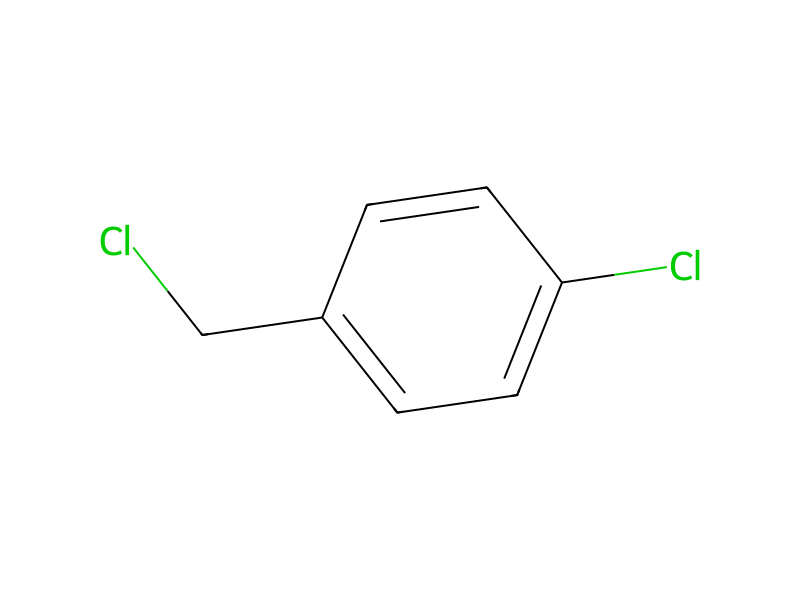
[C:1]1([C:11]2[CH:16]=[CH:15][CH:14]=[CH:13][CH:12]=2)[CH:6]=[CH:5][C:4]([CH2:7][C:8](=[O:10])[CH3:9])=[CH:3][CH:2]=1.[Cl:17][C:18]1[CH:25]=[CH:24][C:21]([CH2:22]Cl)=[CH:20][CH:19]=1.[OH-].[Na+].C(OCC)C>O>[C:1]1([C:11]2[CH:12]=[CH:13][CH:14]=[CH:15][CH:16]=2)[CH:2]=[CH:3][C:4]([CH:7]([CH2:22][C:21]2[CH:24]=[CH:25][C:18]([Cl:17])=[CH:19][CH:20]=2)[C:8](=[O:10])[CH3:9])=[CH:5][CH:6]=1Participants
6





Procedure
9.93 g of 1-(4-biphenylyl)-2-propanone, 8.4 g of 4-chlorobenzyl chloride and 2.1 g of sodium hydroxide were mixed and heated for 5 hours with stirring on an oil bath of 80° to 90° C. The reaction solution was left to cool to room temperature. Then, ethyl ether and water were added thereto. The organic layer was collected by separation and then dried over anhydrous magnesium sulfate. The drying agent was separated by filtration, and then the solvent was distilled off under reduced pressure. The residue was recrystallized from hexane to obtain 8.42 g (yield: 53%) of the above-identified compound as colorless needles having a melting point of from 107° to 108.5° C.
Workup
- temperatureheated for 5 hours
- waitThe reaction solution was left
- customThe organic layer was collected by separation
- dry with materialdried over anhydrous magnesium sulfate
- customThe drying agent was separated by filtration
- distillationthe solvent was distilled off under reduced pressure
- customThe residue was recrystallized from hexane
Sources & evidence
- ORD record
- ord-c4a7eaf801b843988fd9a954d3650bd3
- Source dataset
- uspto-grants-1998_07
- Patent number
- US05777150
Reaction notes
Loading…