Pyridine → HCID 19068276, compound
Reaction equation

[C:1]12([C:11]3[CH:12]=[C:13]([CH2:19]O)[CH:14]=[CH:15][C:16]=3[O:17][CH3:18])[CH2:10][CH:5]3[CH2:6][CH:7]([CH2:9][CH:3]([CH2:4]3)[CH2:2]1)[CH2:8]2.N1C=CC=CC=1.P(Br)(Br)[Br:28]>C1(C)C=CC=CC=1>[C:1]12([C:11]3[CH:12]=[C:13]([CH:14]=[CH:15][C:16]=3[O:17][CH3:18])[CH2:19][Br:28])[CH2:10][CH:5]3[CH2:6][CH:7]([CH2:9][CH:3]([CH2:4]3)[CH2:2]1)[CH2:8]2Participants
5
Reactant 3

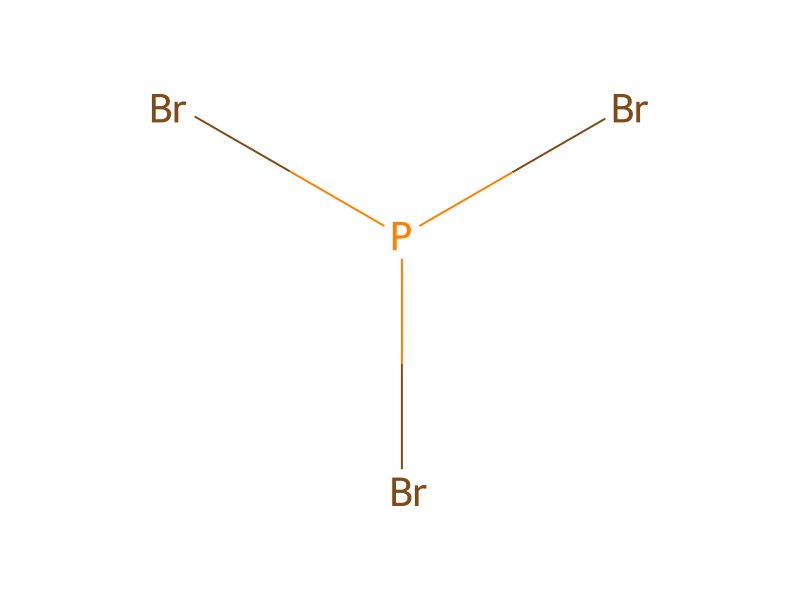

Product 1

Reagents, catalysts & solvents 1

Procedure
2.72 g (10 mmol) of the above benzyl alcohol (a), 30 ml of toluene and 800 μl (10 mmol) of pyridine were introduced into a three-necked flask. A solution of 940 μl (10 mmol) of phosphorus tribromide in 9 ml of toluene was added dropwise, at 0° C., and the mixture was stirred at room temperature for 4 hours. The reaction medium was evaporated to dryness and the residue was taken up in water and ethyl ether. The organic phase was separated out after settling had taken place, dried over magnesium sulfate and evaporated. The residue obtained was triturated from hexane, filtered and dried. 2.35 g (70%) of the expected benzyl bromide, having a melting point of 95°-9° C., were recovered.
Workup
- customThe reaction medium was evaporated to dryness
- customThe organic phase was separated out
- dry with materialdried over magnesium sulfate
- customevaporated
- customThe residue obtained
- customwas triturated from hexane
- filtrationfiltered
- customdried
- customwere recovered
Sources & evidence
- ORD record
- ord-198e6c3cff384fc99eddf31e102461b4
- Source dataset
- uspto-grants-1998_07
- Patent number
- US05786379
Reaction notes
Loading…