Propane → 3-Propoxycyclohex-2-en-1-one
Reaction equation

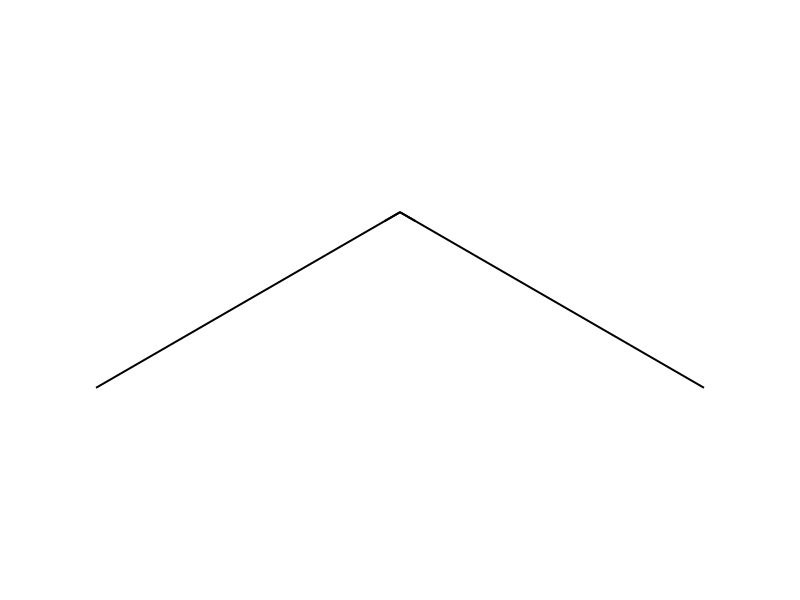
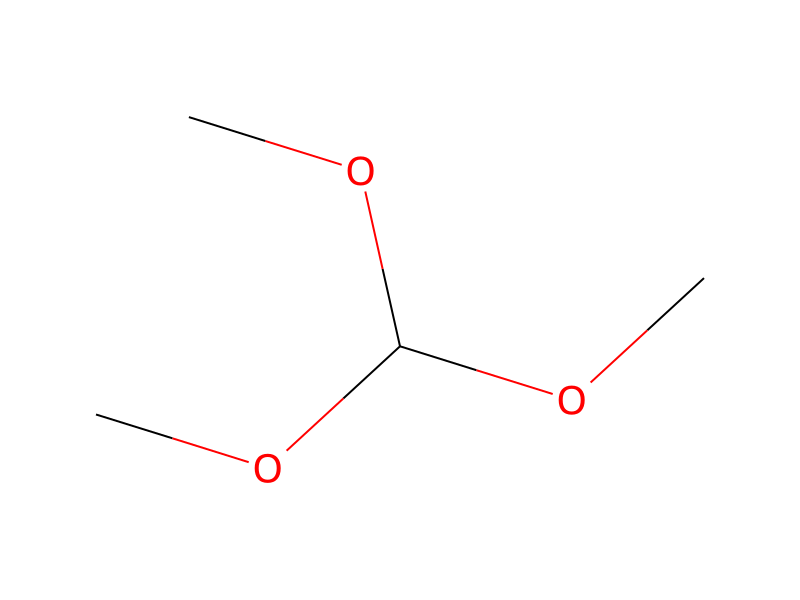
[C:1]1(=[O:8])[CH2:6][CH2:5][CH2:4][C:3](=[O:7])[CH2:2]1.[CH3:9][CH2:10][CH3:11].C(OC)(OC)OC.O.O.C1(C)C=CC(S(O)(=O)=O)=CC=1>O.C1(C)C=CC=CC=1>[CH2:9]([O:7][C:3]1[CH2:4][CH2:5][CH2:6][C:1](=[O:8])[CH:2]=1)[CH2:10][CH3:11]Participants




Procedure
In a 21 three-necked flask, 100 g (0.89 mol) of cyclohexane-1,3-dione are initially charged and dissolved in 166.6 ml (2.23 mol) of n-propane and 600 ml of toluene and 97.6 ml (892 mmol) of trimethyl orthoformate, 5 g of p-toluenesulphonic acid dihydrate are added and the mixture is stirred under reflux on a water separator for 5 h until no more water separates off. The solution is then concentrated under reduced pressure on a rotary evaporator and the residue is taken up in 400 ml of MTBE and washed three times with 100 ml of 10% strength NaOH and saturated NaCl solution. The organic phase is dried over sodium sulphate and concentrated using a rotary evaporator. This gives 124.8 g yield of a yellow oil which is used for the next step without further purification.
Workup
- concentrationThe solution is then concentrated under reduced pressure on a rotary evaporator
- washwashed three times with 100 ml of 10% strength NaOH and saturated NaCl solution
- dry with materialThe organic phase is dried over sodium sulphate
- concentrationconcentrated
- customa rotary evaporator
- customThis gives 124.8 g yield of a yellow oil which is used for the next step without further purification
Sources & evidence
- ORD record
- ord-0d96700ff7a34cd280b295ee2c624243
- Source dataset
- uspto-grants-2013_04
- Patent number
- US08410289B2
Reaction notes
Loading…