Sodium Carbonate → HCID 66876773, compound
Reaction equation

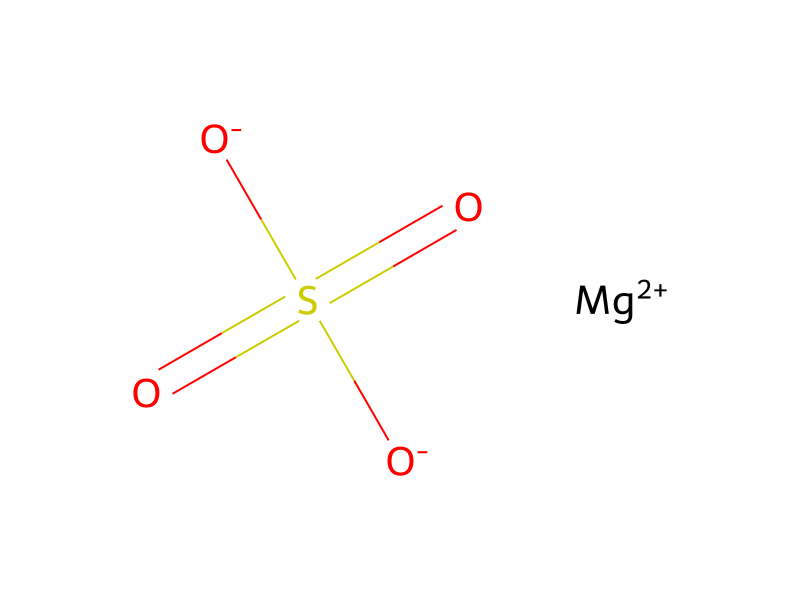
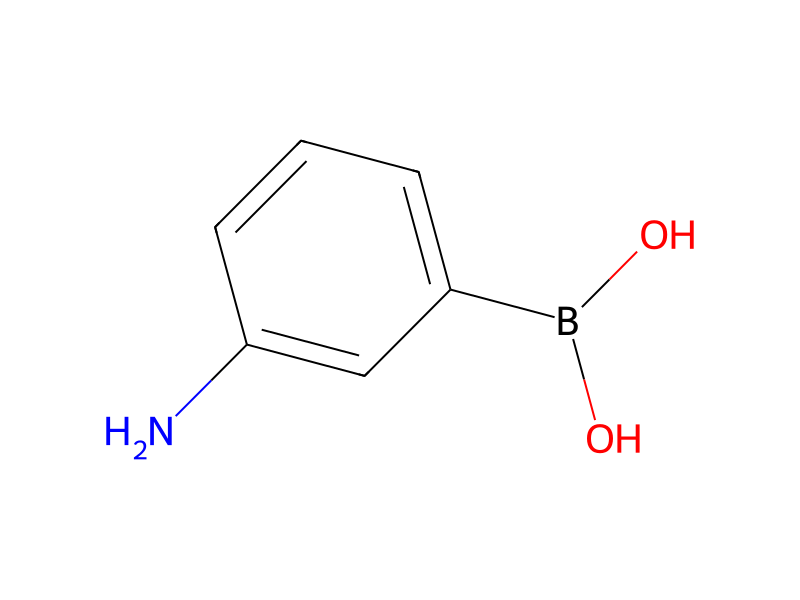
Br[C:2]1[CH:3]=[C:4]([CH3:7])[O:5][CH:6]=1.[NH2:8][C:9]1[CH:10]=[C:11](B(O)O)[CH:12]=[CH:13][CH:14]=1.C(=O)([O-])[O-].[Na+].[Na+].S([O-])([O-])(=O)=O.[Mg+2]>C1(C)C=CC=CC=1.[Pd].C1(P(C2C=CC=CC=2)C2C=CC=CC=2)C=CC=CC=1.CO>[CH3:7][C:4]1[O:5][CH:6]=[C:2]([C:13]2[CH:14]=[C:9]([CH:10]=[CH:11][CH:12]=2)[NH2:8])[CH:3]=1Participants
8
Reactant 4


Product 1

Reagents, catalysts & solvents 3



Conditions
- Temperature
- 100 °C
Procedure
500 mg (3.1 mmol) of 4-bromo-2-methylfuran was dissolved in 12 mL of toluene, and then 3 mL of methanol, 638 mg (4.7 mmol) of m-aminophenyl boronic acid, and 3 mL of 2M aqueous sodium carbonate solution were added thereto. Subsequently, 180 mg (0.16 mmol) of triphenylphosphine palladium was added, and the mixture was stirred at 100° C. for 17 hours. After cooling, anhydrous magnesium sulfate was added to the mixture, and the mixture was stirred. Filtration was then conducted, and the filtrate was condensed. The resulting product was separated and purified using silica gel column chromatography to give 3-(5-methylfuran-3-yl)aniline (yield: 52%).
Workup
- temperatureAfter cooling
- stirringthe mixture was stirred
- filtrationFiltration
- customcondensed
- customThe resulting product was separated
- custompurified
Sources & evidence
- ORD record
- ord-80a5442df0484ea699569bdaa356fde2
- Source dataset
- uspto-grants-2013_04
- Patent number
- US08415479B2
Reaction notes
Loading…