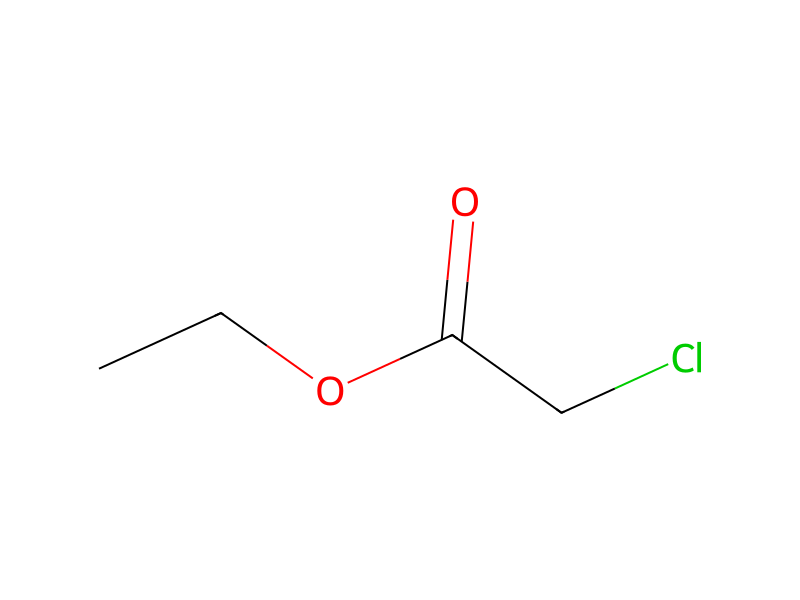
Ethyl chloroacetate → TERT-BUTYL ETHYL 2-[(TERT-BUTYL)OXYCARBONYL]BUTANE-1,4-DIOATE
Reaction equation

[C:1]([O:11][C:12]([CH3:15])([CH3:14])[CH3:13])(=[O:10])[CH2:2][C:3]([O:5][C:6]([CH3:9])([CH3:8])[CH3:7])=[O:4].Cl[CH2:17][C:18]([O:20][CH2:21][CH3:22])=[O:19]>>[CH:2]([C:3]([O:5][C:6]([CH3:7])([CH3:8])[CH3:9])=[O:4])([C:1]([O:11][C:12]([CH3:15])([CH3:14])[CH3:13])=[O:10])[CH2:17][C:18]([O:20][CH2:21][CH3:22])=[O:19]Participants


Procedure
As shown in Scheme I,2-alkynyl-dihydropyridazinones of the present invention can be prepared by cyclization. For example, in step A, di-t-butyl malonate and ethyl chloroacetate can be condensed in the presence of a strong base in a polar aprotic solvent to provide 1,1-di-tert-butyl 2-ethyl ethane-1,1,2-tricarboxylate. In step B, the 1,1-di-tert-butyl 2-ethyl ethane-1,1,2-tricarboxylate can be reacted the appropriate pyridine or pyrimidine acid chloride in the presence of base to provide a tricarboxylate which can be decarboxylated in step C to provide the appropriate ethyl 4-(pyridin-2-yl or pyrimidin-2-yl)-4-oxobutanoate. In step D, the appropriate ethyl 4-(pyridin-2-yl or pyrimidin-2-yl)-4-oxobutanoate can be cyclized with hydrazine to provide the appropriate 6-(pyridin-2-yl or pyrimidin-2-yl)dihydropyridazinone which can be alkylated in step E with an alkyne having an appropriate leaving group (L represents halogen or alkyl or aryl sulfonate).
Workup
- customcan be prepared by cyclization
- customcondensed in the presence of a strong base in a polar aprotic solvent
Sources & evidence
- ORD record
- ord-64a4cf27ebce48d98cabadaba0728b58
- Source dataset
- uspto-grants-2013_04
- Patent number
- US08426412B2
Reaction notes
Loading…