Methacrylic Acid → 2-Hydroxyethyl Methacrylate
Reaction equation

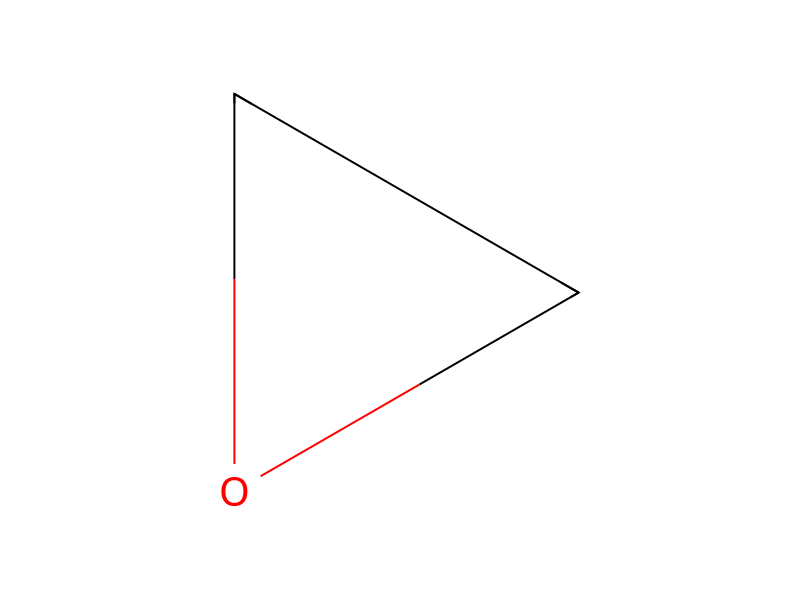
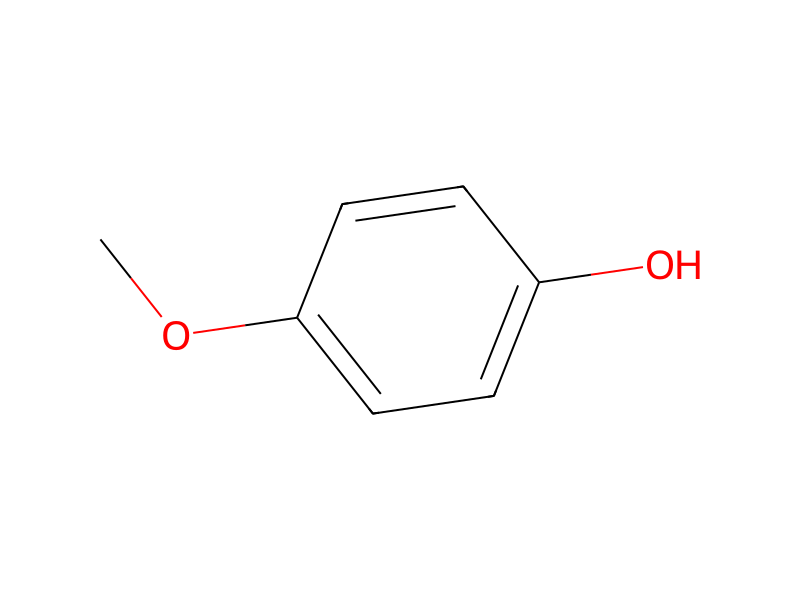
[C:1]([OH:6])(=[O:5])[C:2]([CH3:4])=[CH2:3].C[O:8][C:9]1C=CC(O)=C[CH:10]=1.C1OC1>[Cr]>[OH:8][CH2:9][CH2:10][O:5][C:1](=[O:6])[C:2]([CH3:4])=[CH2:3]Participants
Reactant 3

Product 1

Reagents, catalysts & solvents 1

Conditions
- Temperature
- 80 °C
Procedure
Following the procedure according to U.S. Pat. No. 3,875,211, 60 parts by weight of methacrylic acid, 0.16 parts by weight of hydroquinone monomethyl ether (MEHQ), and 0.24 parts by weight of chromium silicylate were placed in an autoclave under nitrogen atmosphere. 36 Parts by weight of ethylene oxide were added in the gas phase. The contents of the autoclave were heated to 80° C. for three hours. Ethylene oxide was removed under vacuum and the reaction mixture cooled to ambient temperature. The reaction mixture was then distilled under vacuum at 60° C. to obtain a 2-hydroxyethylmethacrylate-rich solution with a characteristic composition according to Table 3. There was a clear correlation between the purity of the methacrylic acid used and the optical properties of the hydroxyester as well as the diester content. This is relevant for the further processing of the hydroxyester, for example polymerisation for biomedical products, such as soft, oxygen-permeable contact lenses.
Workup
- customEthylene oxide was removed under vacuum
- temperaturethe reaction mixture cooled to ambient temperature
- distillationThe reaction mixture was then distilled under vacuum at 60° C.
Sources & evidence
- ORD record
- ord-93aa87353f1d49d385304c9d358c77c5
- Source dataset
- uspto-grants-2013_04
- Patent number
- US08426637B2
Reaction notes
Loading…