Water → HCID 22917216, compound
Reaction equation

Cl[C:2]1[C:3]([C:14]([O:16]CC)=[O:15])=[N:4][C:5]2[C:10]([N:11]=1)=[CH:9][C:8]([CH3:12])=[C:7]([CH3:13])[CH:6]=2.C(=O)([O-])[O-].[Ba+2].O.[H][H]>C(O)C.[Pd](Cl)Cl>[CH3:12][C:8]1[CH:9]=[C:10]2[C:5](=[CH:6][C:7]=1[CH3:13])[N:4]=[C:3]([C:14]([OH:16])=[O:15])[CH:2]=[N:11]2Participants
7






Procedure
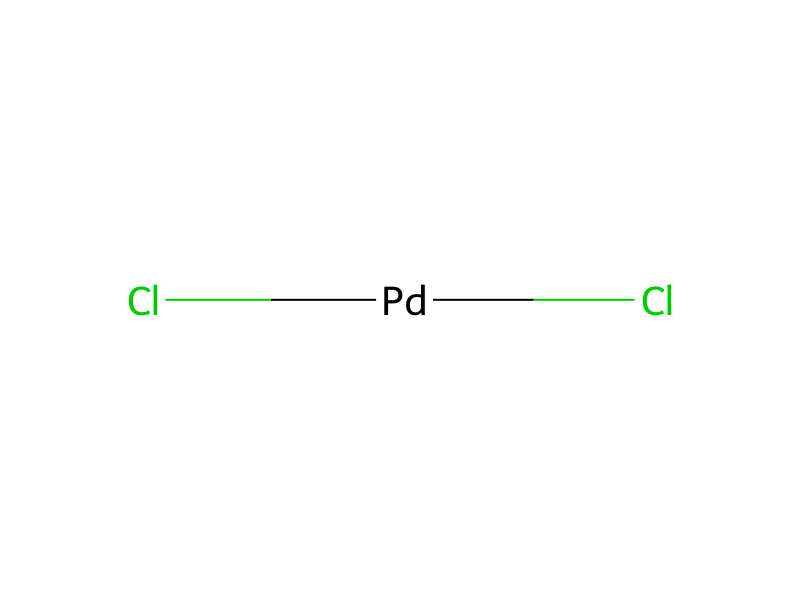
3-Chloro-6,7-dimethyl-2-quinoxalinecarboxylic acid, ethyl ester (Example 14a) (6.0 g), palladium chloride (0.4 g) and barium carbonate (17.4 g) in ethanol (500 ml) containing water (6 ml) were stirred in an atmosphere of hydrogen at room temperature and atmospheric pressure for 18 hours. The mixture was filtered and the filtrate was evaporated. The residue was crystallised from a mixture of ethyl acetate and light petroleum (b.p. 60°-80°). The solid was dissolved in aqueous sodium hydroxide (20 ml., 2N) and ethanol (20 ml) and the solution was heated under reflux for 10 minutes and cooled. Hydrochloric acid was added and the solid was collected and crystallised from aqueous ethanol. It had m.p. 214.5°-216° (20%).
Workup
- filtrationThe mixture was filtered
- customthe filtrate was evaporated
- customThe residue was crystallised from a mixture of ethyl acetate and light petroleum (b.p. 60°-80°)
- dissolutionThe solid was dissolved in aqueous sodium hydroxide (20 ml., 2N)
- temperatureethanol (20 ml) and the solution was heated
- temperatureunder reflux for 10 minutes
- temperaturecooled
- additionHydrochloric acid was added
- customthe solid was collected
- customcrystallised from aqueous ethanol
Sources & evidence
- ORD record
- ord-3e73a5f2533c4b9183636f56304be4b7
- Source dataset
- uspto-grants-1976_12
- Patent number
- US03997535
Reaction notes
Loading…