Benzene, 1-chloro-3-isocyanato- → 1-(m-Chlorophenyl)-3-(1,5-dimethylpyrrolidin-2-ylidene)urea
Reaction equation

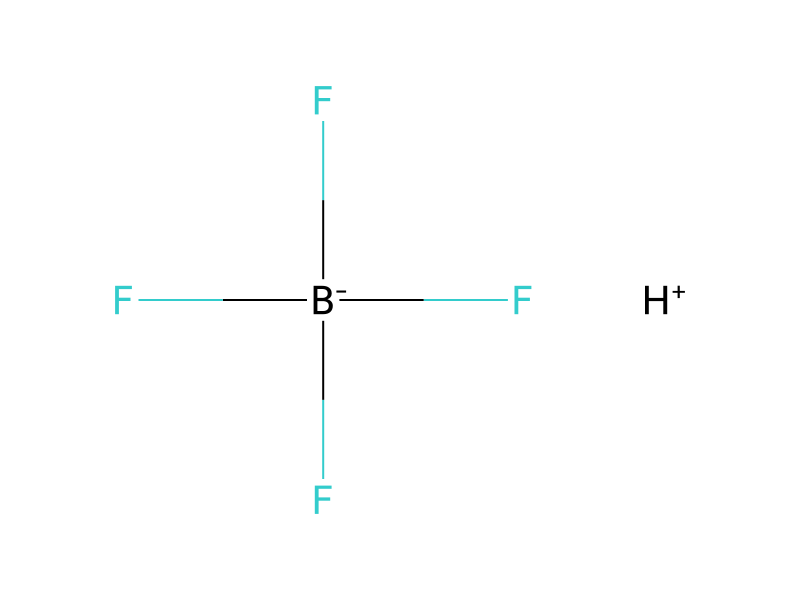
[H+].[B-](F)(F)(F)F.[CH3:7][N:8]1[CH:12]([CH3:13])[CH2:11][CH2:10][C:9]1=[NH:14].[Cl:15][C:16]1[CH:17]=[C:18]([N:22]=[C:23]=[O:24])[CH:19]=[CH:20][CH:21]=1>C1C=CC=CC=1>[Cl:15][C:16]1[CH:17]=[C:18]([NH:22][C:23]([N:14]=[C:9]2[CH2:10][CH2:11][CH:12]([CH3:13])[N:8]2[CH3:7])=[O:24])[CH:19]=[CH:20][CH:21]=1Participants
5



Procedure
The HBF4 salt of 1,5-dimethyl-2-iminopyrrolidine (6.75 g.; 0.0337 mole) is converted to free base in benzene in the usual manner. Then 5.16 g. (0.0337 mole) of m-chlorophenylisocyanate, dissolved in anhydrous benzene, is added. The reaction mixture is stirred for 2 hours and then the solvent is evaporated in vacuo leaving a solid residue of 1-m-chlorophenyl-3-(1,5-dimethyl-2-pyrrolidylidene)urea, m.p. = 129°-130° C. After recrystallization from ethyl acetate, the m.p. is still 129°-130° C.
Workup
- additionis added
- customthe solvent is evaporated in vacuo
Sources & evidence
- ORD record
- ord-59d773cc3b1d4980b1f10dffbfd4637a
- Source dataset
- uspto-grants-1976_12
- Patent number
- US03998958
Reaction notes
Loading…