Benzene, 1-isocyanato-4-nitro- → 1-(1-Methyl-2-piperidylidene)-3-(4-nitrophenyl)urea
Reaction equation

[NH:1]=[C:2]1[CH2:7][CH2:6][CH2:5][CH2:4][N:3]1[CH3:8].[N+:9]([C:12]1[CH:17]=[CH:16][C:15]([N:18]=[C:19]=[O:20])=[CH:14][CH:13]=1)([O-:11])=[O:10]>C1C=CC=CC=1>[CH3:8][N:3]1[CH2:4][CH2:5][CH2:6][CH2:7][C:2]1=[N:1][C:19]([NH:18][C:15]1[CH:14]=[CH:13][C:12]([N+:9]([O-:11])=[O:10])=[CH:17][CH:16]=1)=[O:20]Participants
4
Reactant 2
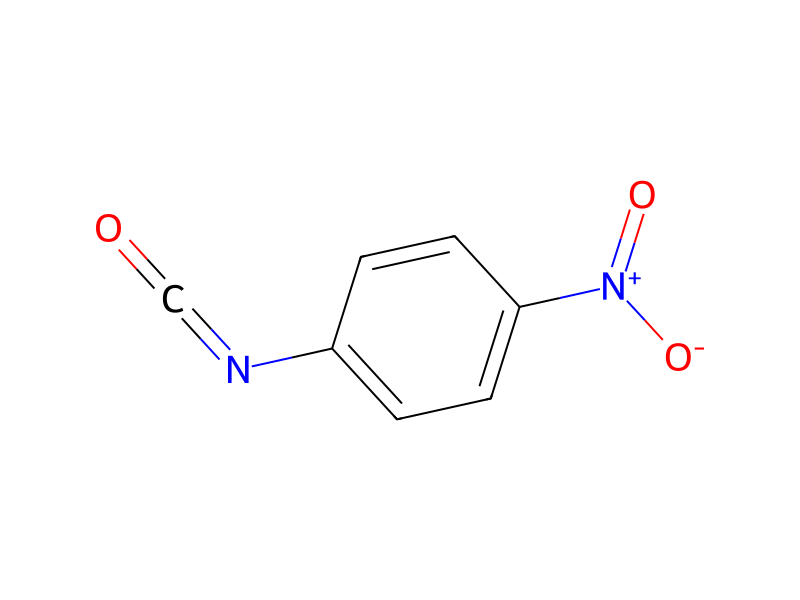

Product 1

Reagents, catalysts & solvents 1

Procedure
The hydrochloride salt of 2-imino-1-methylpiperidine (7.43 g.; 0.05 mole) is converted to the free base in benzene in the usual manner. After drying over K 2 CO 3 and filtering, a benzene solution of 0.05 mole of p-nitrophenylisocyanate is added dropwise with stirring. After addition is complete, further stirring is continued for about 6 hours at room temperature. The benzene is evaporated in vacuo and the solid residue is recrystallized from methanol to give the product, 1-(1-methyl-2-piperidylidene)-3-(4-nitrophenyl)urea.
Workup
- dry with materialAfter drying over K 2 CO 3
- filtrationfiltering
- additionAfter addition
- stirringfurther stirring
- customThe benzene is evaporated in vacuo
- customthe solid residue is recrystallized from methanol
Sources & evidence
- ORD record
- ord-7ede211cffd24e78ab2f05f4f115663e
- Source dataset
- uspto-grants-1976_12
- Patent number
- US03998958
Reaction notes
Loading…