Dioctylamine → HCID 14949909, compound
Reaction equation

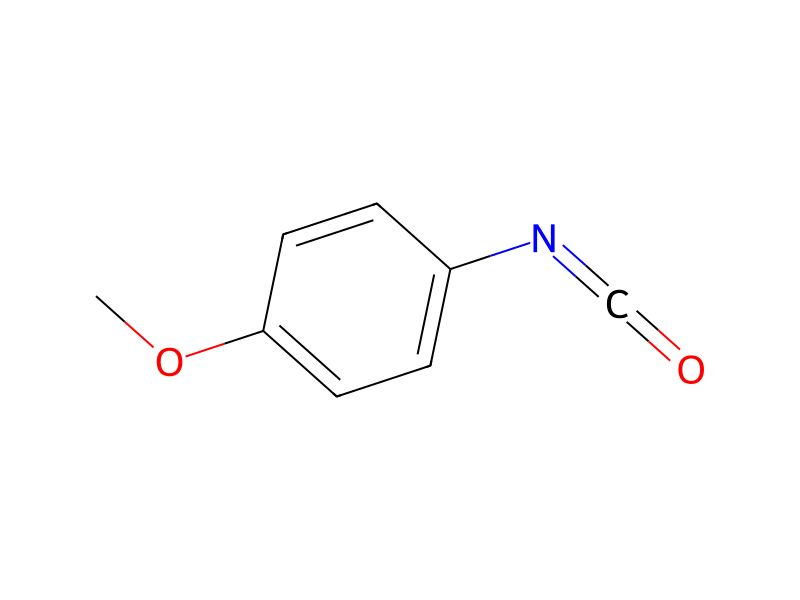
COC1C=CC(NC(N)=O)=CC=1.[CH3:13][O:14][C:15]1[CH:20]=[CH:19][C:18]([N:21]=[C:22]=[O:23])=[CH:17][CH:16]=1.[CH2:24]([NH:32][CH2:33][CH2:34][CH2:35][CH2:36][CH2:37][CH2:38][CH2:39][CH3:40])[CH2:25][CH2:26][CH2:27][CH2:28][CH2:29][CH2:30][CH3:31]>C1(C)C=CC=CC=1>[CH2:33]([N:32]([CH2:24][CH2:25][CH2:26][CH2:27][CH2:28][CH2:29][CH2:30][CH3:31])[C:22]([NH:21][C:18]1[CH:17]=[CH:16][C:15]([O:14][CH3:13])=[CH:20][CH:19]=1)=[O:23])[CH2:34][CH2:35][CH2:36][CH2:37][CH2:38][CH2:39][CH3:40]Participants
5
Reactant 3


Product 1

Reagents, catalysts & solvents 1

Procedure
To study the reaction mechanism, 4-methoxyphenylurea was heated in boiling toluene. It was expected that 4-methoxyphenyl isocyanate would be formed, but instead the 4-methoxyphenylurea remained completely unchanged. On heating 4-methoxyphenylurea in boiling toluene with the addition of one equivalent of dioctylamine, N,N-dioctyl-N'-4-methoxyphenylurea was formed in 60% yield after one hour, no by-products, in particular no isocyanates or by-products derived from them, being produced. Proof that the reaction does not proceed via isocyanates was obtained using 1H-NMR and 13C-NMR spectroscopy.
Workup
- temperaturewas heated
- customwould be formed
Sources & evidence
- ORD record
- ord-eb5497f61585415c8b76efd0699f369b
- Source dataset
- uspto-grants-1994_02
- Patent number
- US05283362
Reaction notes
Loading…